



How Can Algae Be Used to Teach Science in Elementary School.
Students build and observe miniature ecosystems with algae and brine shrimp, letting real biological processes guide their learning. These interactive activities align with elementary science standards while developing observation, questioning, and scientific thinking skills.

Standards Alignment
Elementary Science Standards Addressed
NGSS
- K-LS1-1: Needs of plants and animals
- 2-LS2-1: Plants require sunlight and water
- 3-LS4-3: Organisms survive in suitable habitats
- 5-LS1-1: Plants obtain materials for growth
- 5-LS2-1: Matter cycles in ecosystems
Texas TEKS
- 1.9A: Plant needs (sunlight, water)
- 2.12A/B: Structures and environmental needs of organisms
- 4.12B: Energy flow in food chains
- 5.12A/B: Ecosystem interactions and energy flow
Common Across Many States
- Observing living organisms
- Investigating plant growth
- Understanding ecosystems and energy flow

Teacher Materials
Use this text to share information about your brand with your customers. Describe a product, share announcements, or welcome customers to your store.

Videos
Use this text to share information about your brand with your customers. Describe a product, share announcements, or welcome customers to your store.
From ordering, to growing, quantifying, and completing the project.
Brainy Briny Timeline

More than 7 days before start.
Place your order
Educators can place Brainy Brinys orders directly through the website, or submit a purchase order if their school or district requires it. We routinely work with schools that need quotes, PO processing, or delayed shipping, allowing teachers to place an order early and schedule delivery closer to when the materials will be used in class.
Shipping
We will ship your order
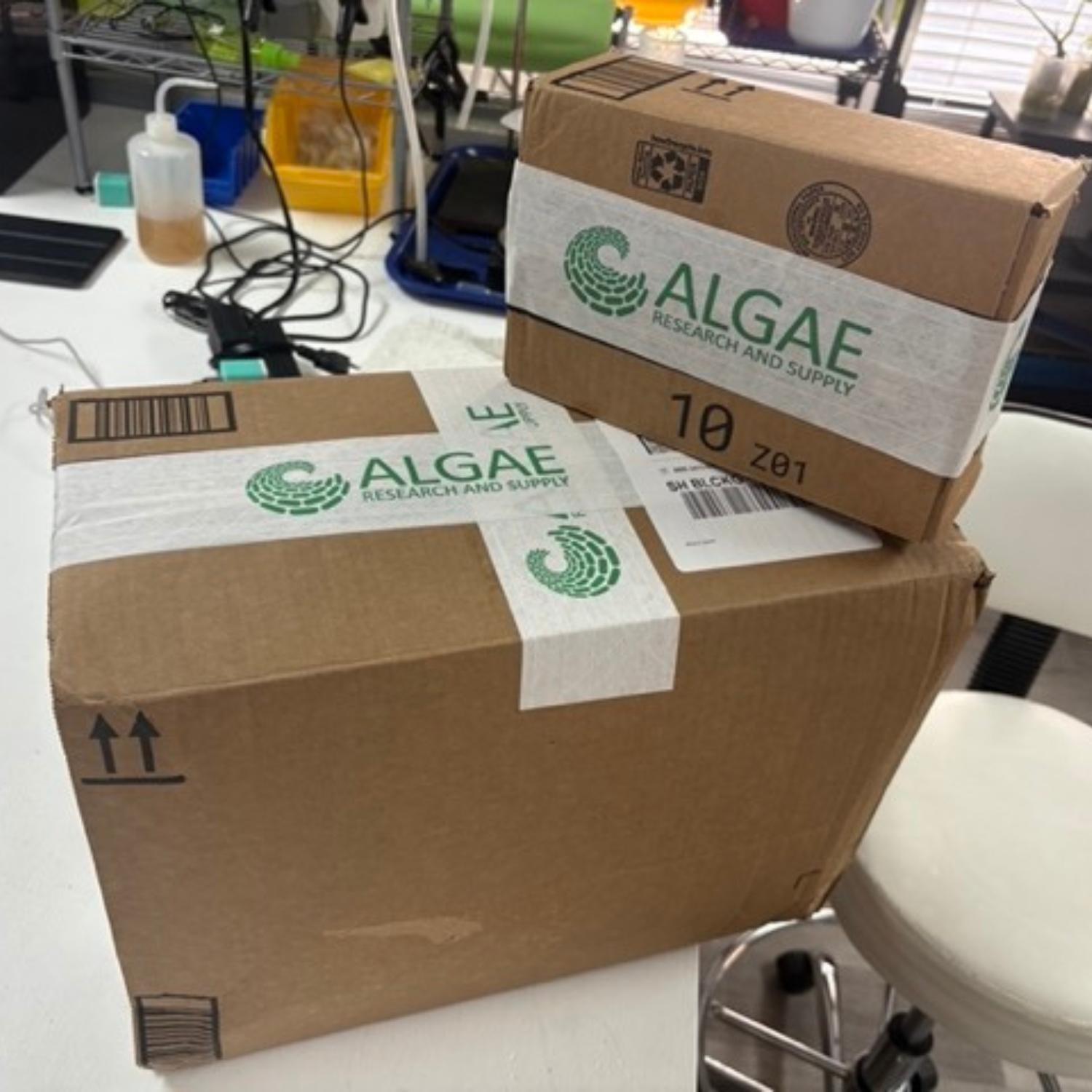
Your order will arrive usually within 1-4 business days of your order. (We use about 95% used boxes so be ready for the upcycled box!). You will see our Algae Logo on the tape. Unpack the materials and lay out your lab!
Day-0
Start the Project!
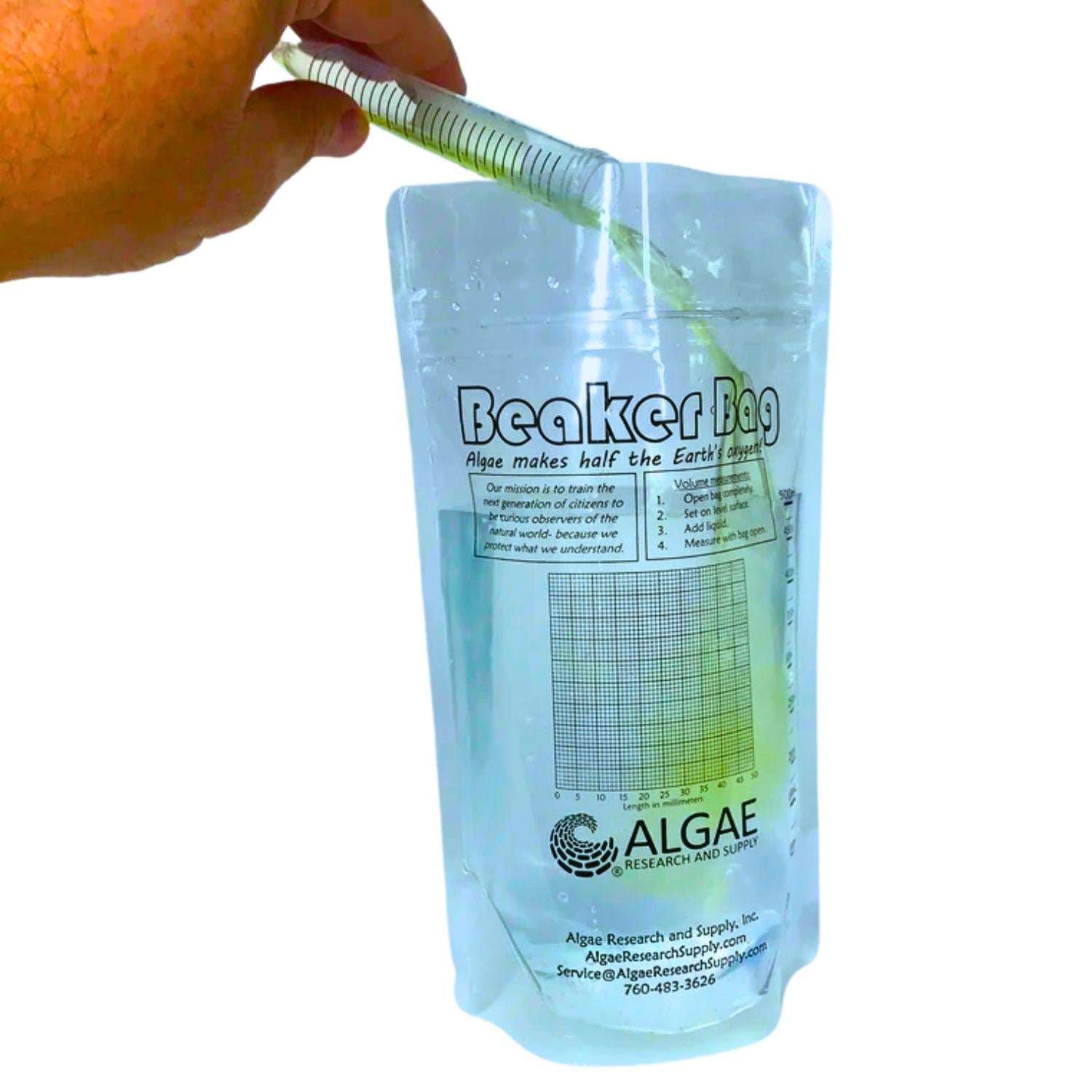
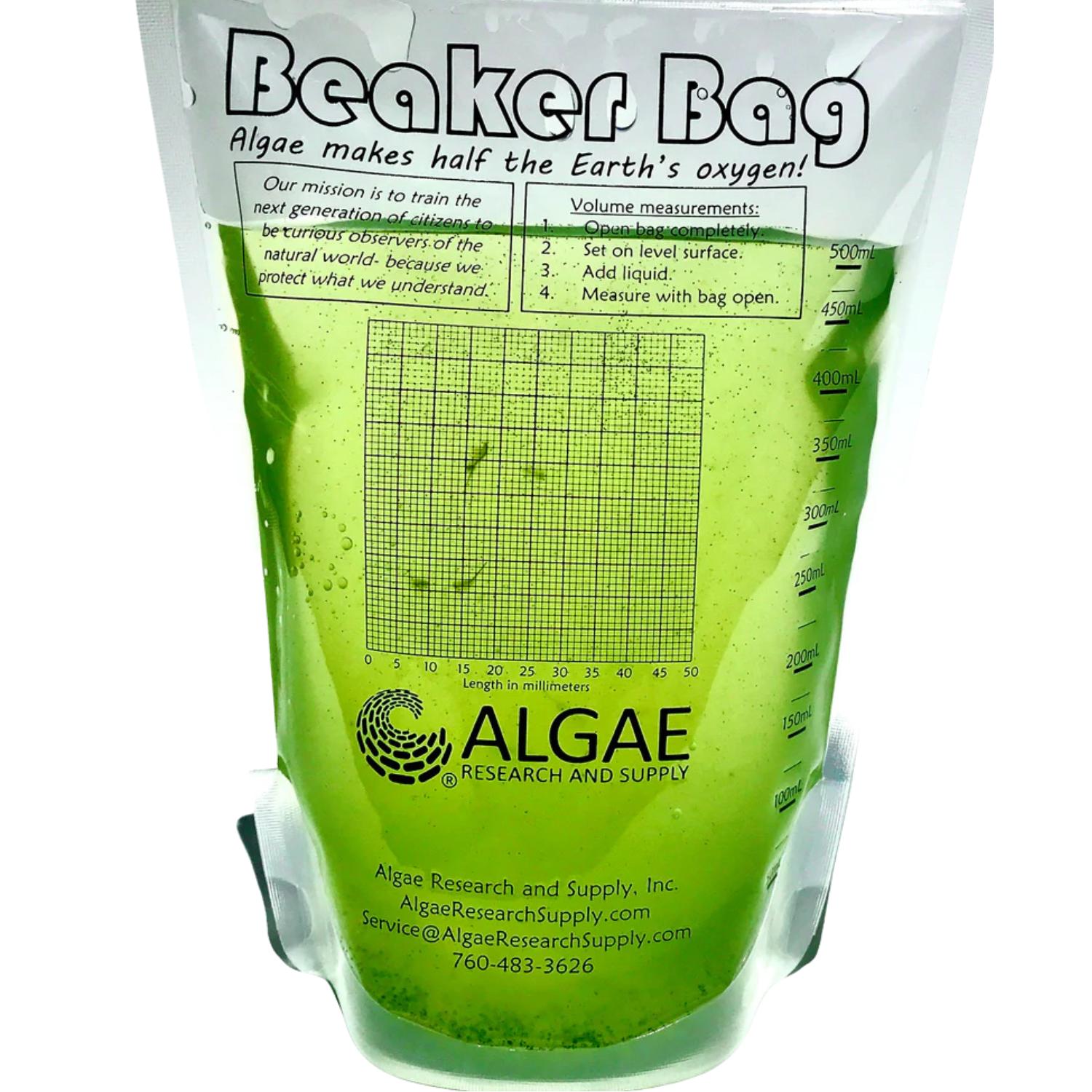
Basically add all the materials into the beaker bag and add ~450mL of chlorine free water. Put it in the light (No Direct sunlight... too bright!) and let it grow.
*read the directions, they will answer lots of questions!
Day 1-1,000
Let them Grow!
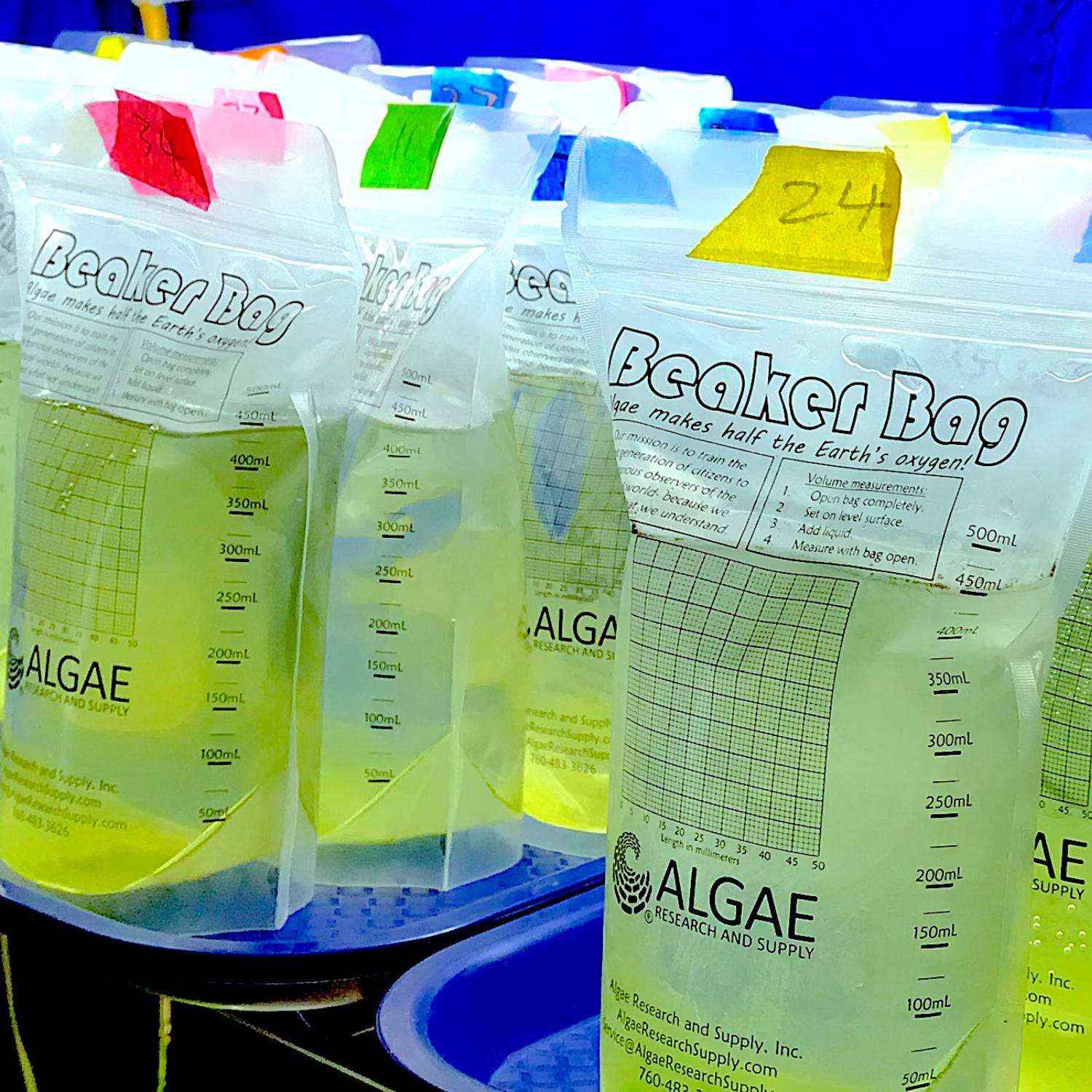
Let the algae grow under ~120uMol photons per m2 second (flux of light for your nerds out there). They like it a bit warmer than room temperature (73-85F is perfect) for them to get to sexual maturity.
Day-2
Babies!!!!
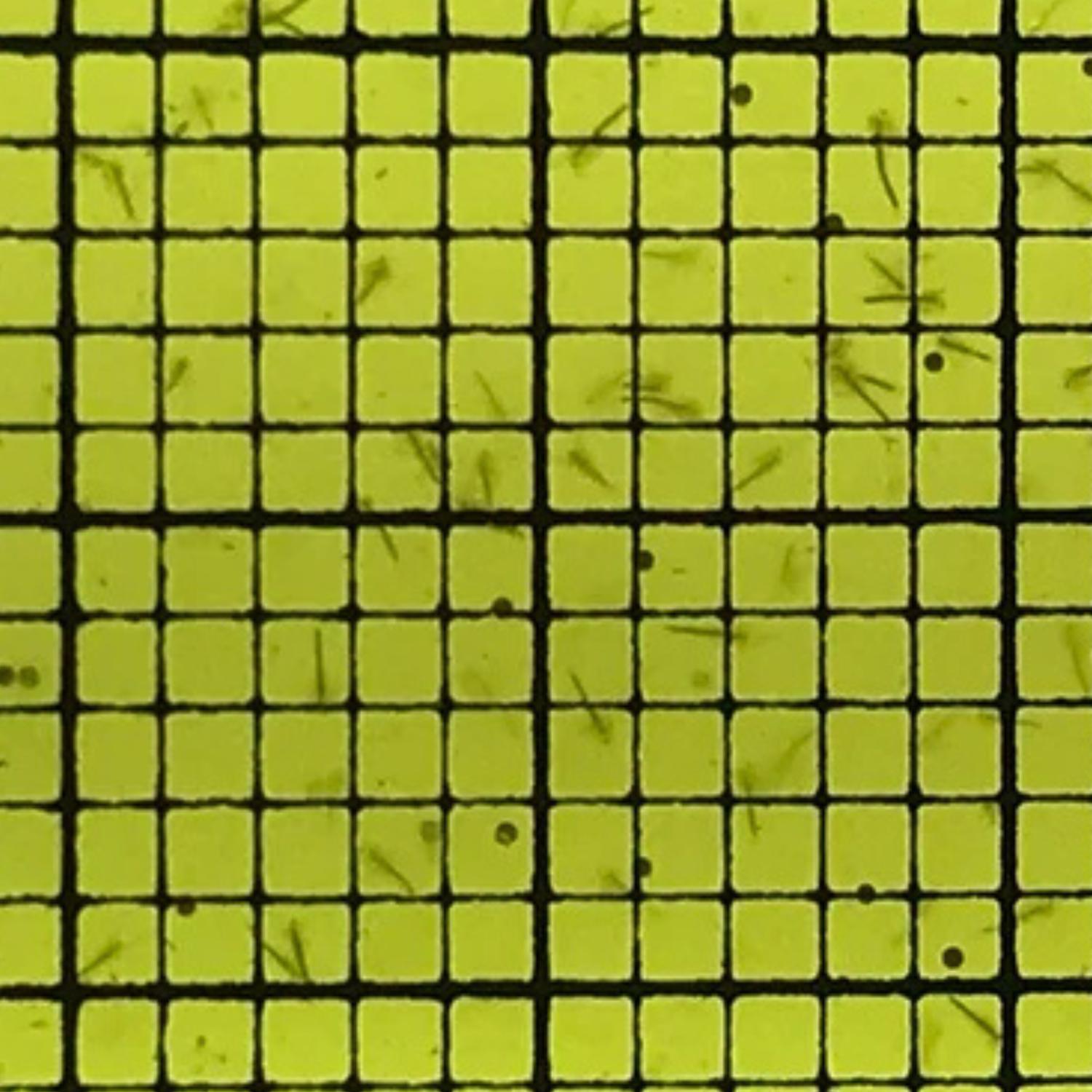
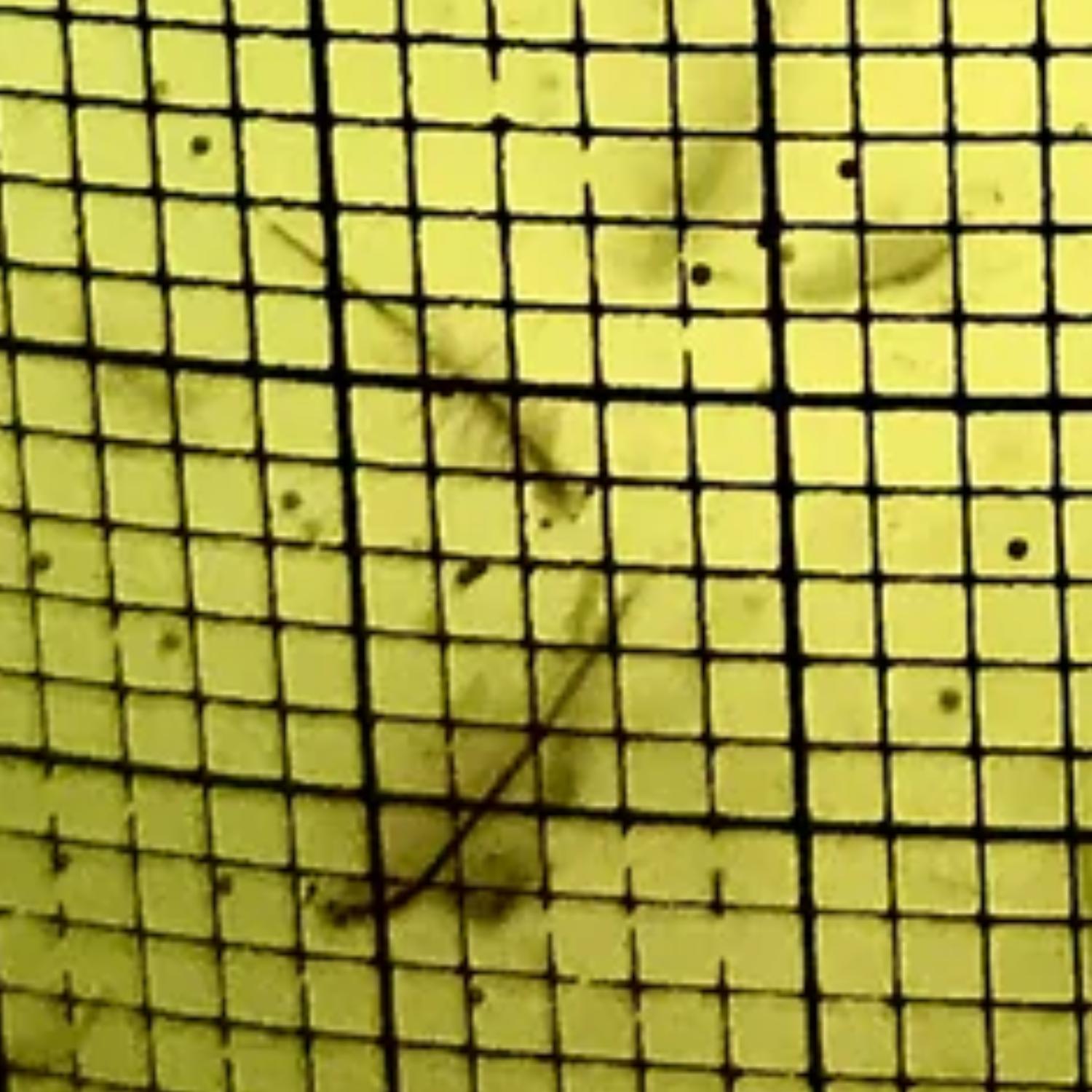
After a couple days you will begin to see brine shrimp larva emerge. These larva have only ONE eye and need to go through more than 20 stages of metamorphosis before they are adults. Yes, they will grow two more eyes!
This grid is 1mm squares. Babies are super small!
Day-40
Adults Being Adults
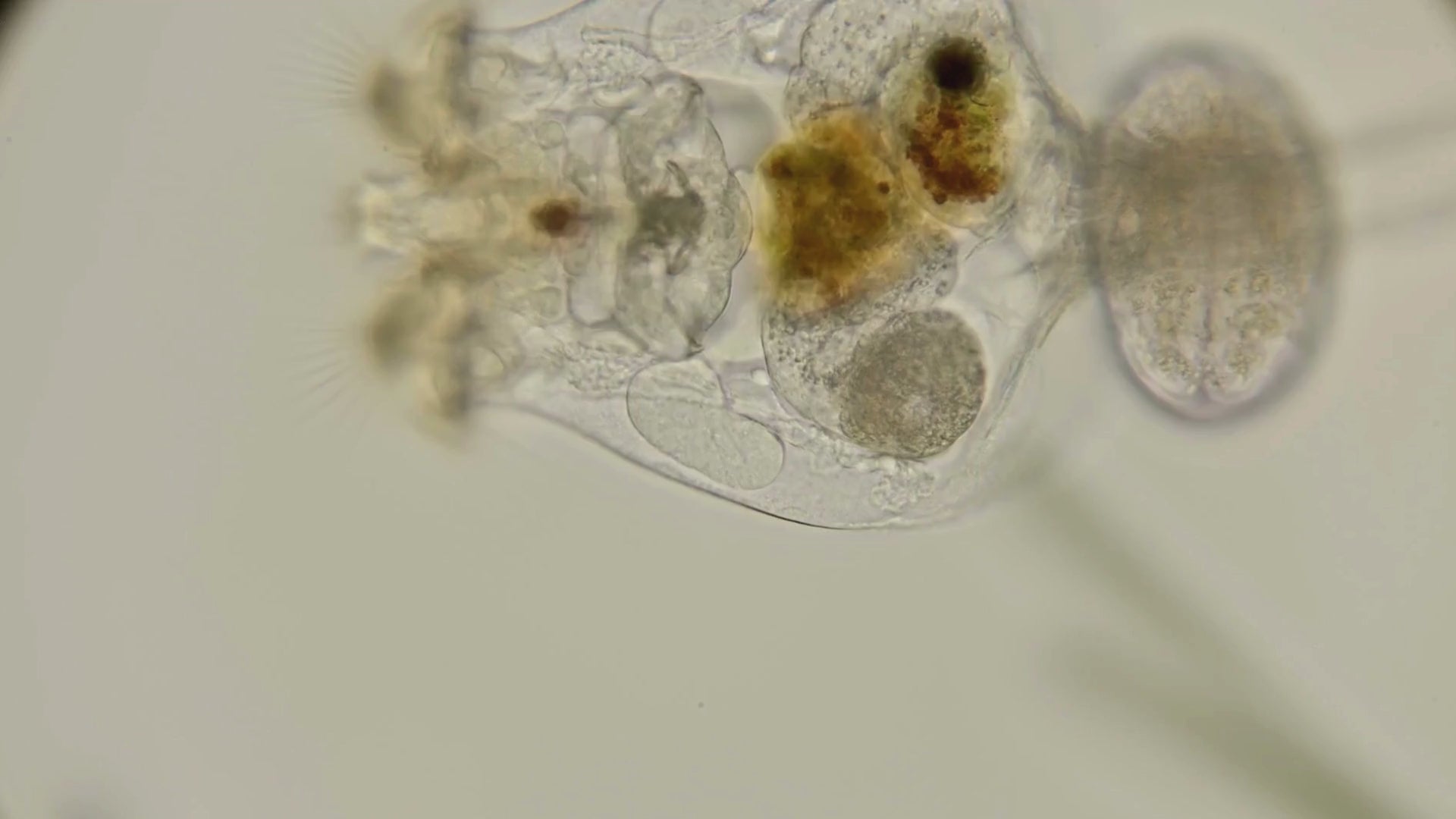
After about six weeks your brine shrimp population will have decreased from several hundred to less than 20. If you have kept them warm enough and with enough algae to eat, they will be exchanging genetic material with each other in the classroom. Be ready for mature conversations!
The brine shrimp and algae will both go through birth and death cycles. They will decompose- no need to remove the detritus as it decomposes and releases the nutrients back to the algae.
End of School Year
What to do with the Kit?
This kit could theoretically last longer than most presidencies. Add some water to make up for evaporation and they will live a long time. Decomposers will recycle the nutrients back to the algae. The algae will feed the shrimp!
You can dispose of them down the drain (yes, its non invasive) or feed them to your favorite aquarium carnivore.
Can you read this! 1
can you read this 2
Heading
Photosynthsis and Respiration for Elementary Students
Brainy Brinys give students a simple way to observe two important life processes: photosynthesis and respiration. The algae in the system use sunlight to perform photosynthesis, taking in carbon dioxide and producing oxygen as they grow. At the same time, the brine shrimp carry out respiration, using oxygen and releasing carbon dioxide. Because both organisms live in the same small ecosystem, students can see how these processes support each other. By observing changes in the water, organism activity, and growth over time, students begin to understand how plants and animals depend on each other to cycle gases and energy in living systems.