Algae in the ocean fixes more carbon dioxide than all the plants on the land.
Teaching algae in elementary school
Kindergarten
First grade
Second grade
Third grade
Fourth grade
Fifth grade
Life Science
Physical Science
Earth and Space Science
Engineering Design
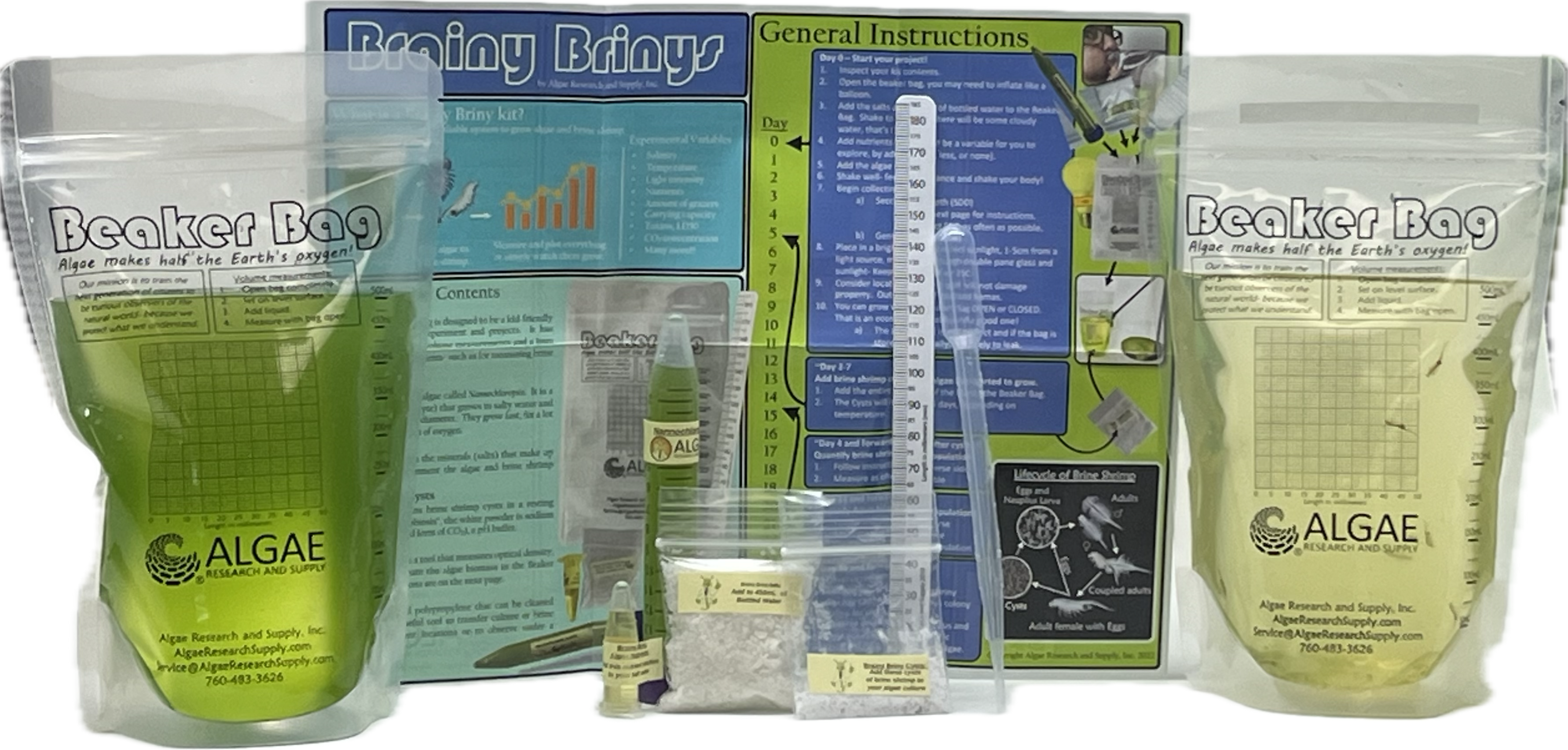
Brainy Briny's Elementary Kit
Teaching algae in middle school
Brainy Briny's: Algae and Brine Shrimp
Algae Beads
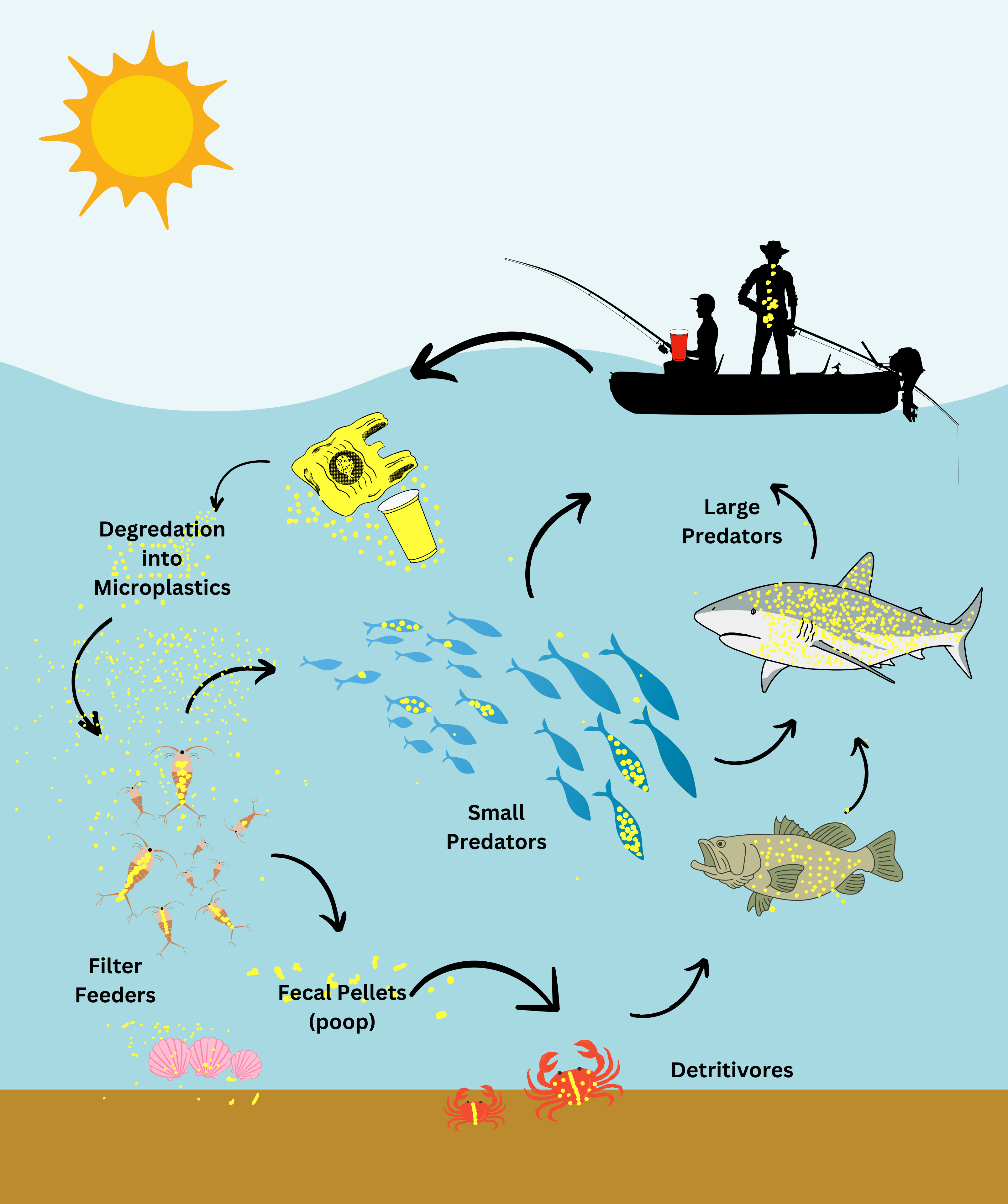
Microplastics and Zooplankton
Teaching algae in high school
AP Biology
AP Environmental Science
Living Earth (California)
Biology
Marine Science
Oceanography
Agriculture Science
Chemistry in the Earth System
Eutrophication: APES Lab 15
Bioprospecting
Teaching algae in college
Introductory Biology
Intro Ecology and Environmental Science
Microbiology
Marine Biology and Oceanography
Photosynthesis and Cellular Respiration
Population Growth and Carrying Capacity
Energy Flow and Trophic Transfer
Algal Isolation and Aseptic Technique
Toxicology and Dose Response
Eutrophication and Nutrient Pollution
Eutrophication
Marine Algae Isolation
Not sure where to start?Try these collections:
This site uses cookies for better user experience and analytics.
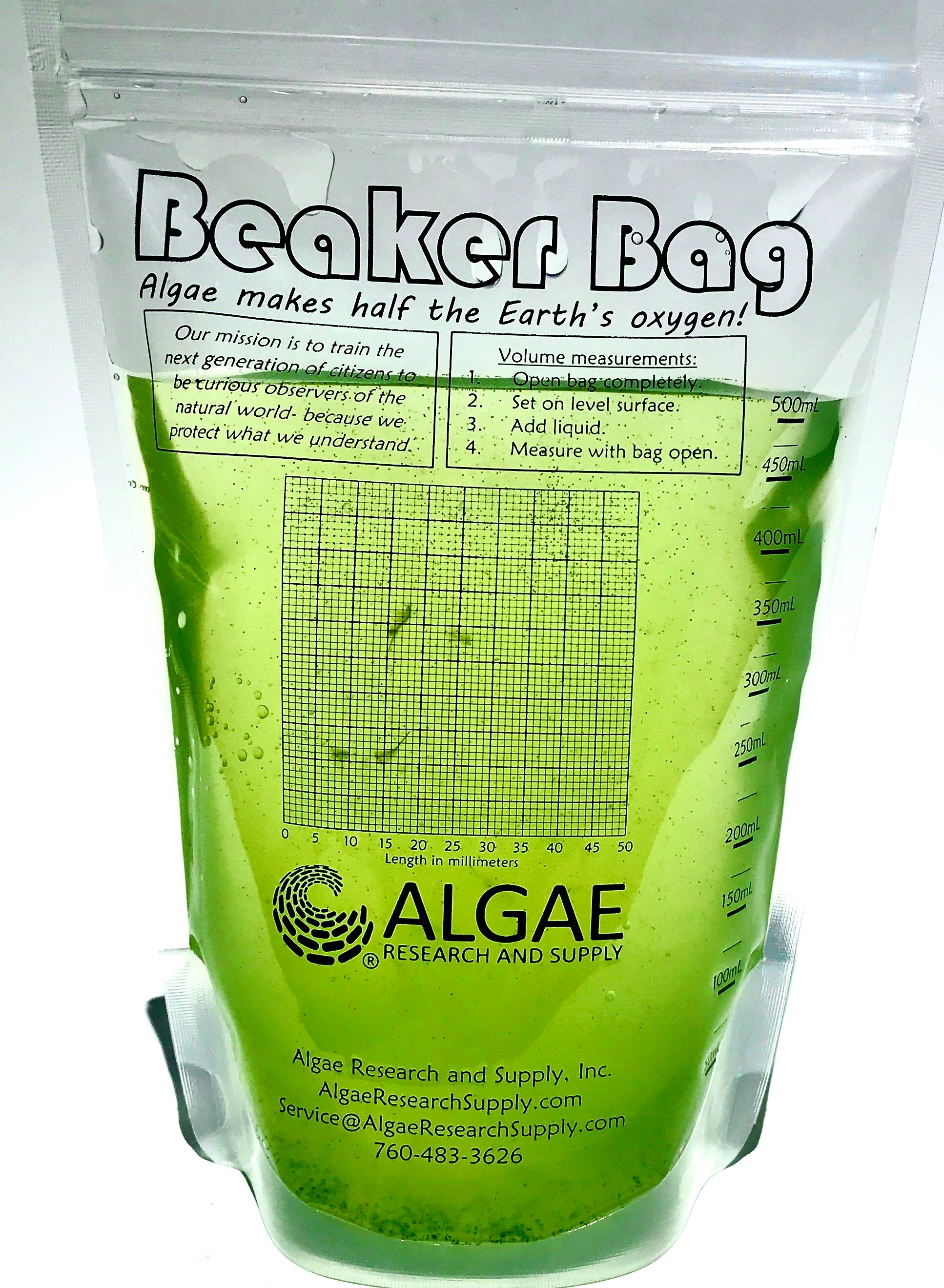
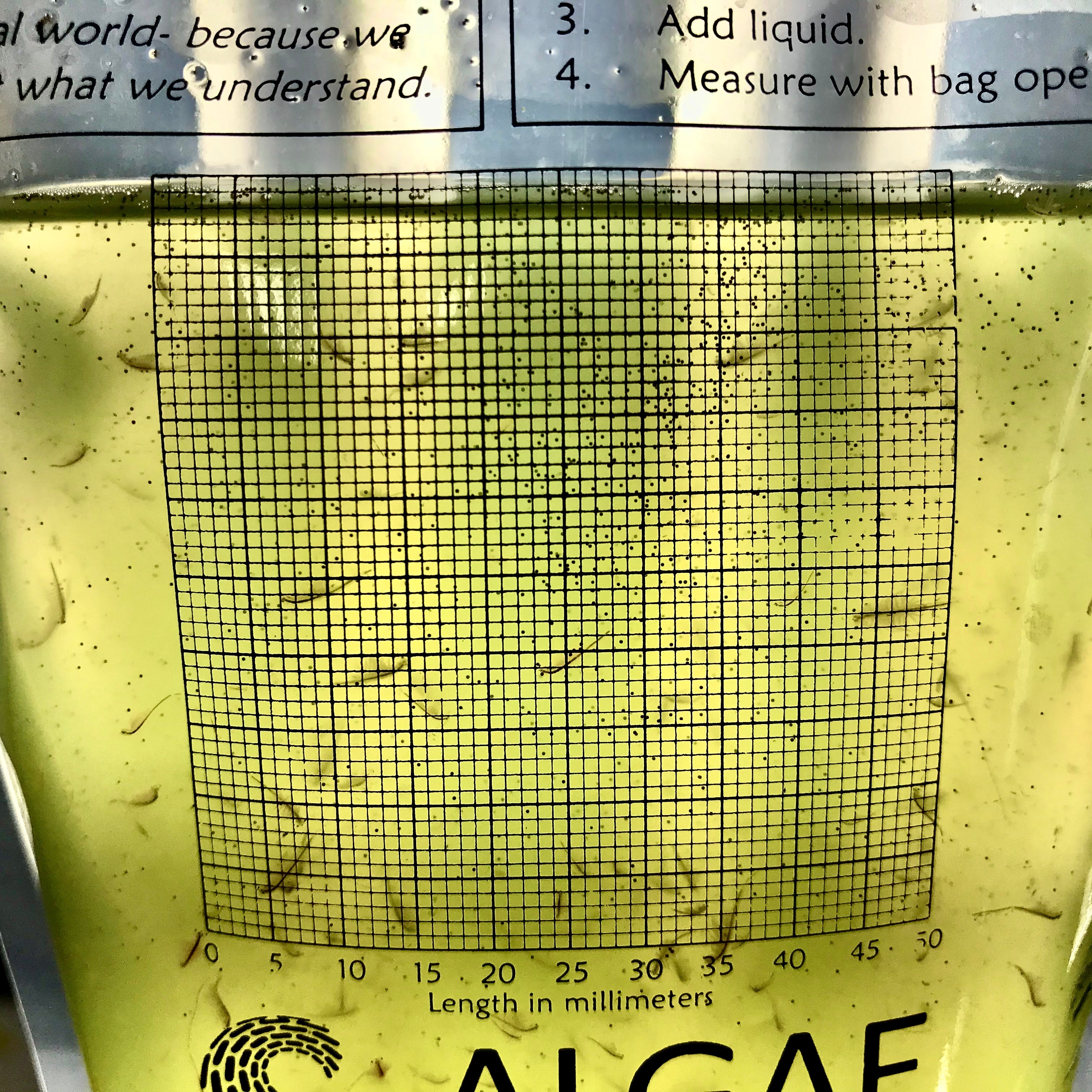
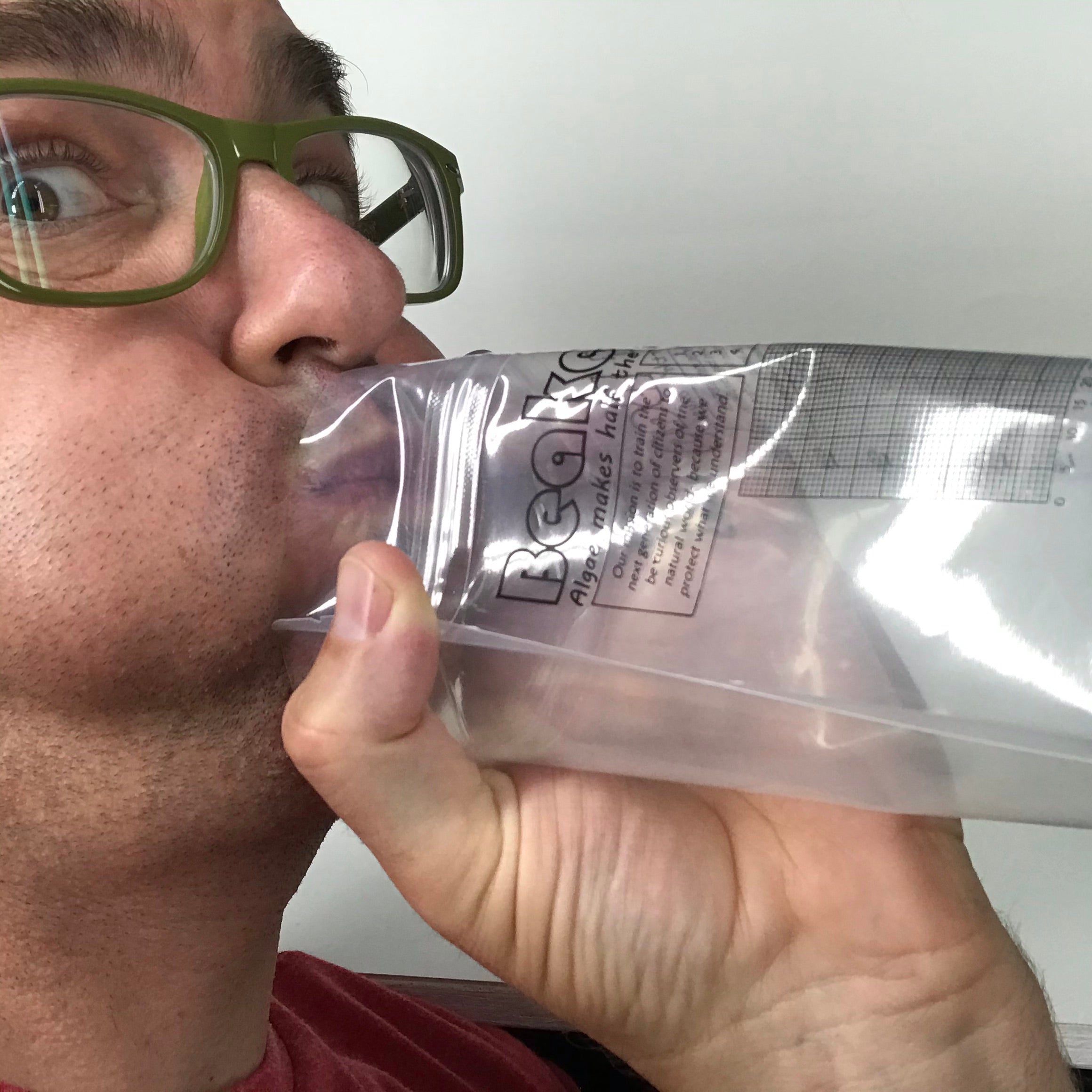
Brainy Briny's in a Beaker Bag: Algae and Brine Shrimp Growing Kit. (K-12, HS, AP-Bio, AP-ES)
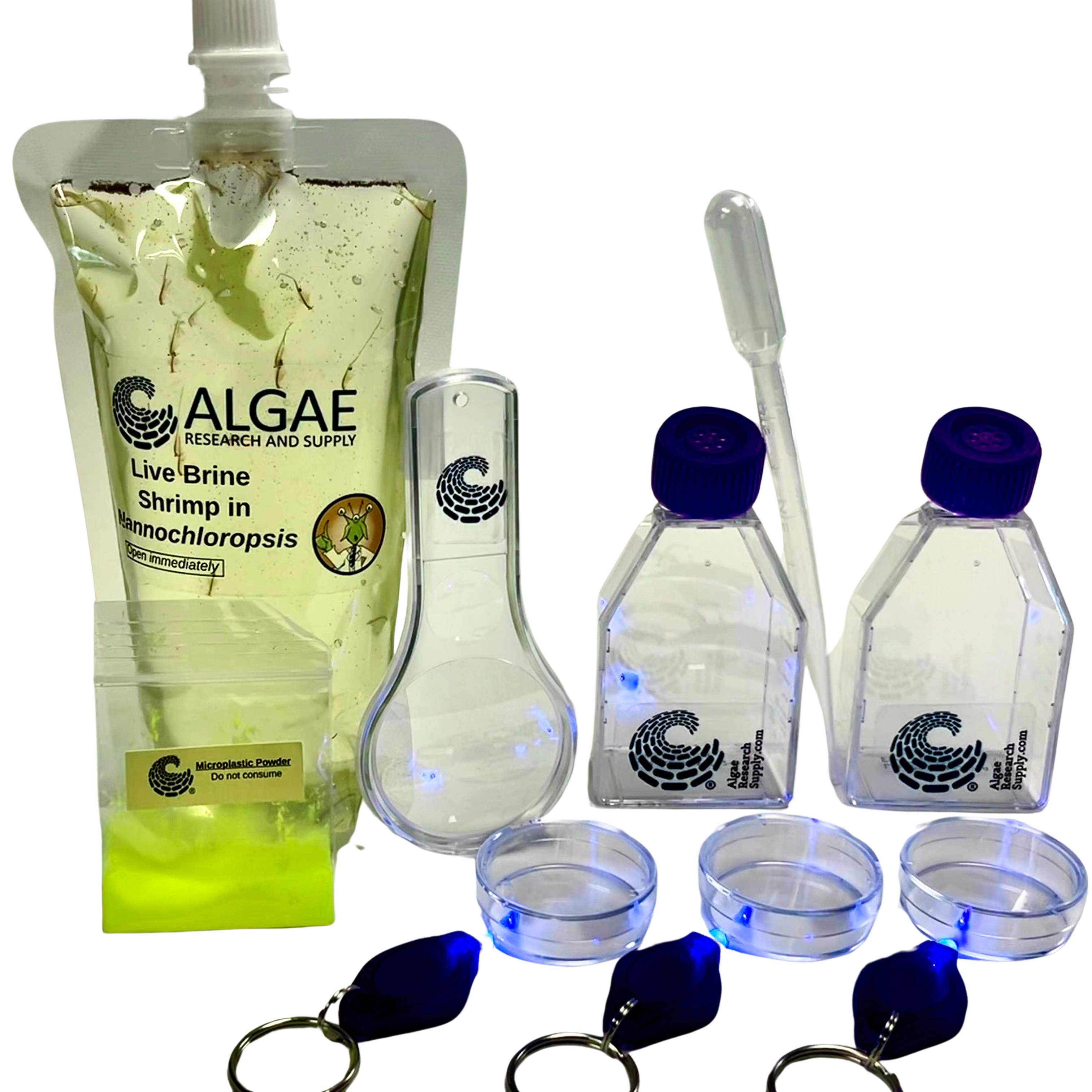
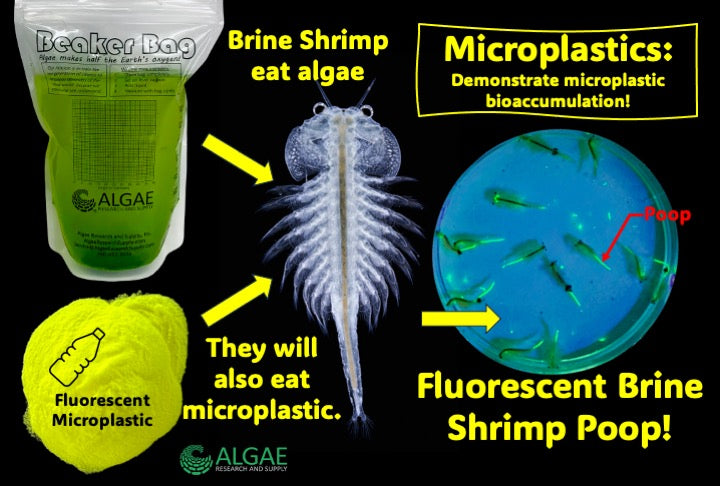
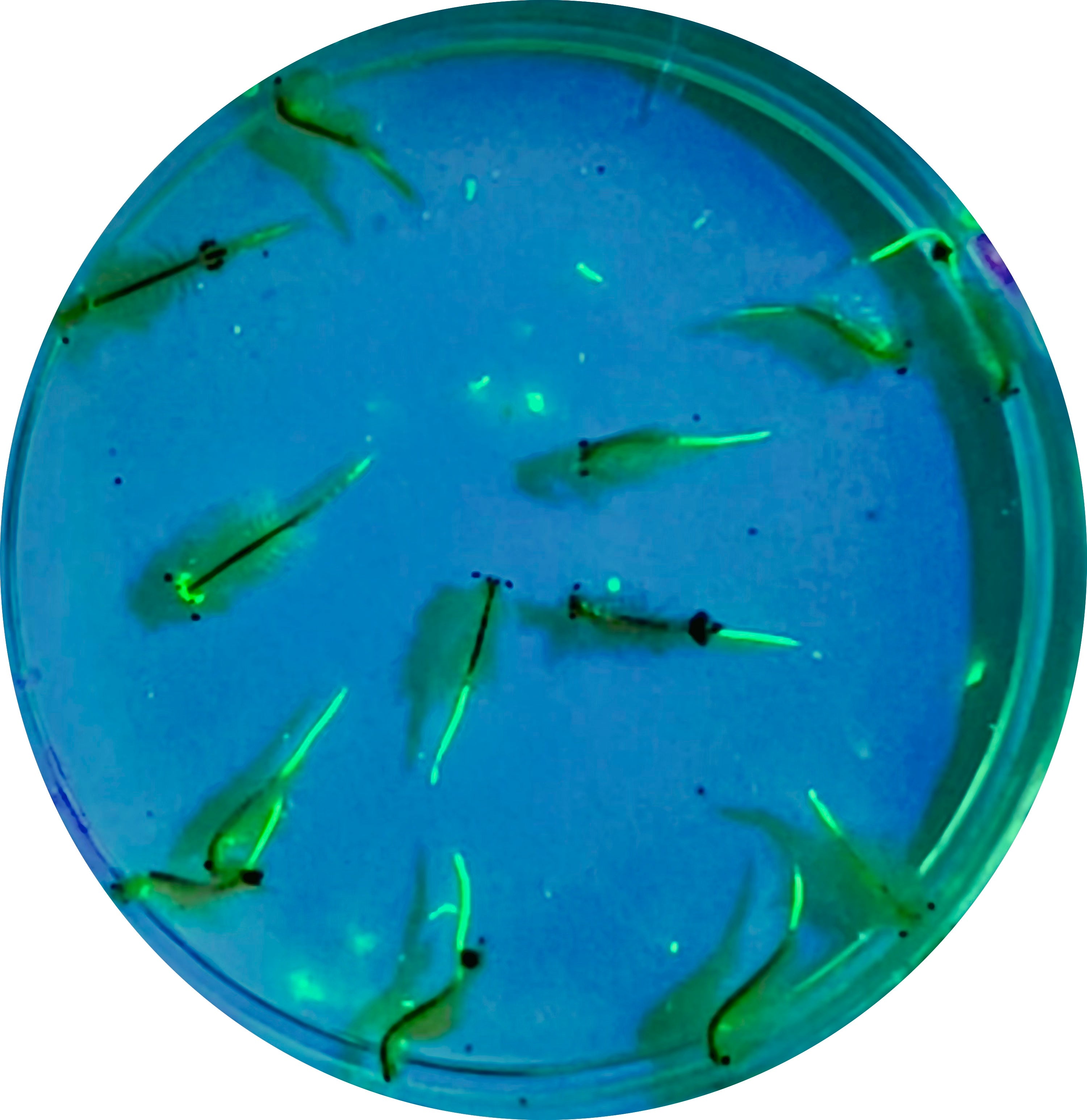
Brainy Briny Fake Fluorescent Food: Microplastic zooplankton bioaccumulation using brine shrimp
Brainy Briny's: Estimating Algae Biomass (Free)
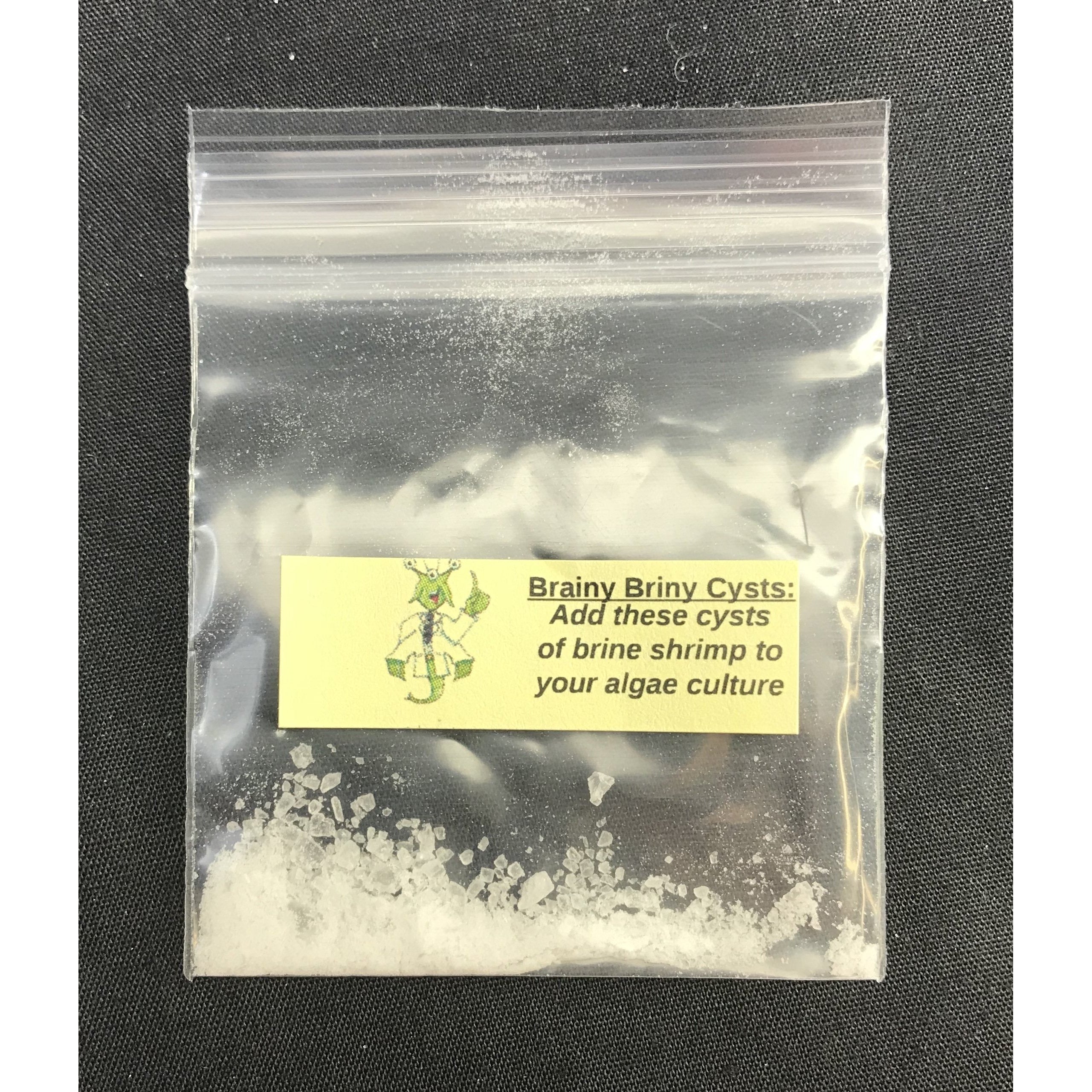
Algae Research Supply: Brine Shrimp Cysts for Projects
Brainy Briny's: General Instructions (Free)
Brainy Briny's Lessons: Nitrate Removal by Algae Culture (Free)
Brainy Briny: Carrying Capacity Based on Food Availability (Free)
Brainy Briny's: Photosynthesis vs Irradiance Curve Instructions (Free)
Brainy Briny's: Growth Rate vs. Irradiance (Free)
Brainy Briny: Toxicity Testing using Brine Shrimp- Finding a Lethal Concentration-50% (Free)
Brainy Briny's Estimating Brine Shrimp (Artemia) Biomass (Free)