
High School, grades 9 to 12
AP Environmental Science
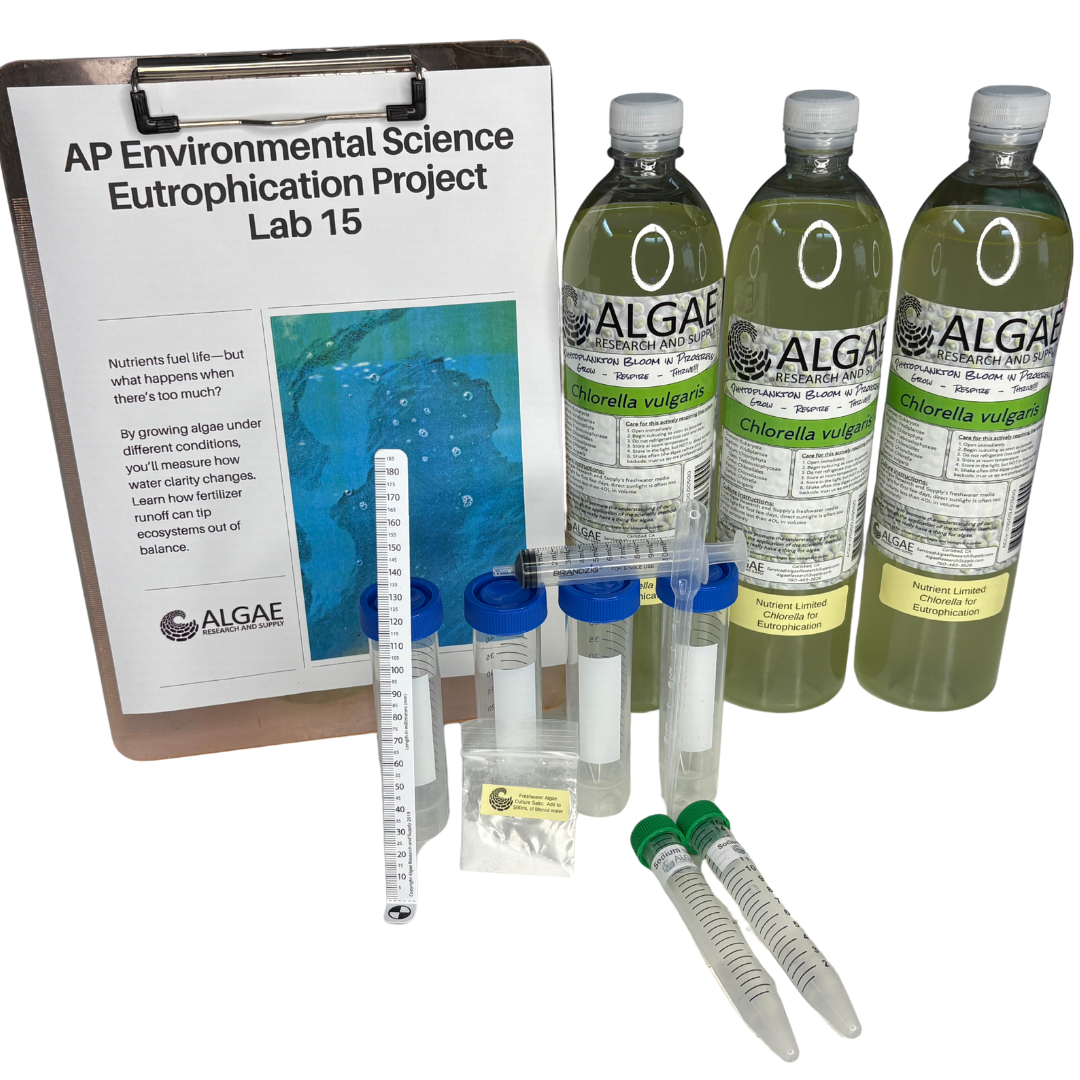
Built for Lab 15, the official College Board eutrophication lab.
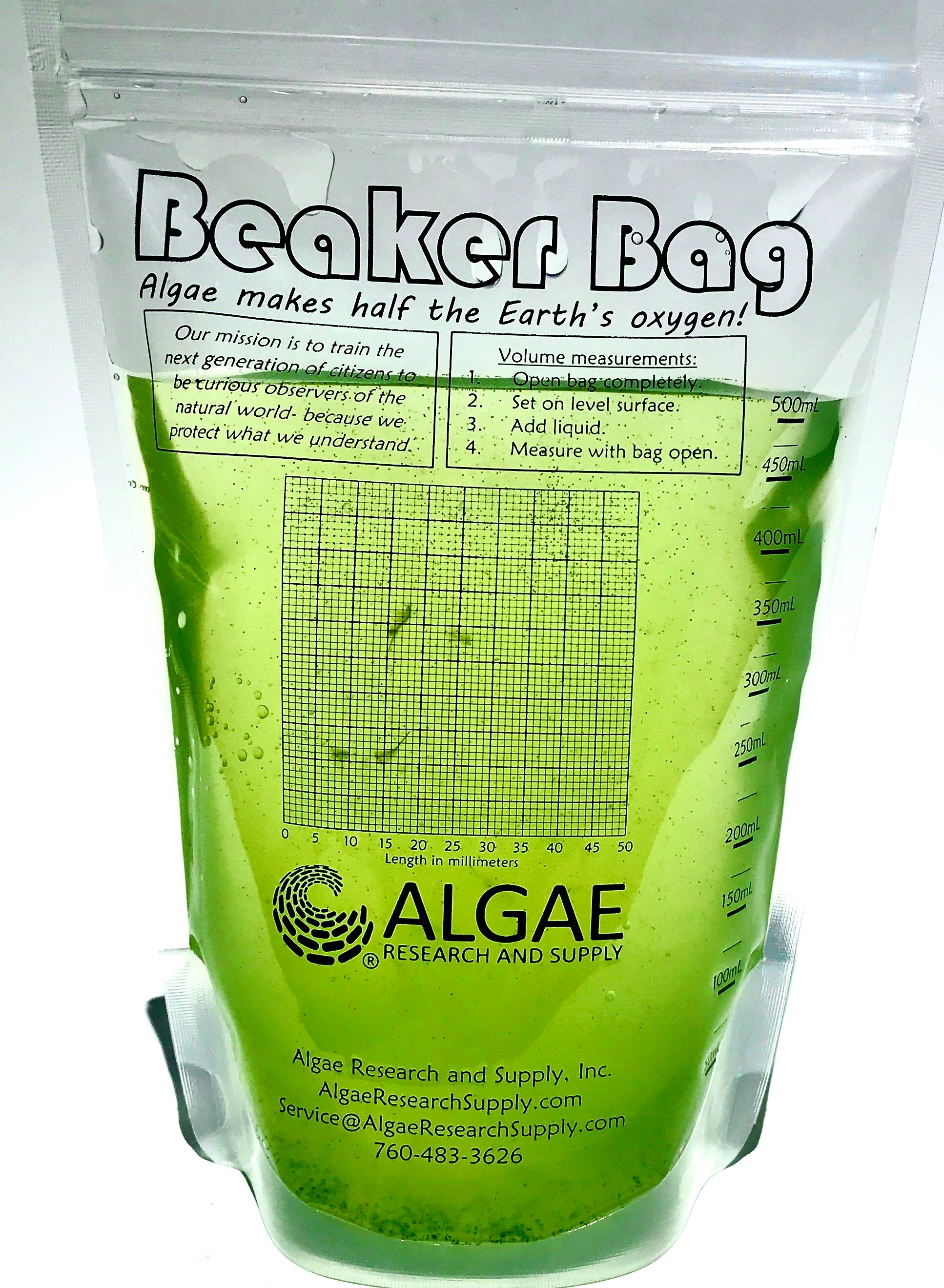
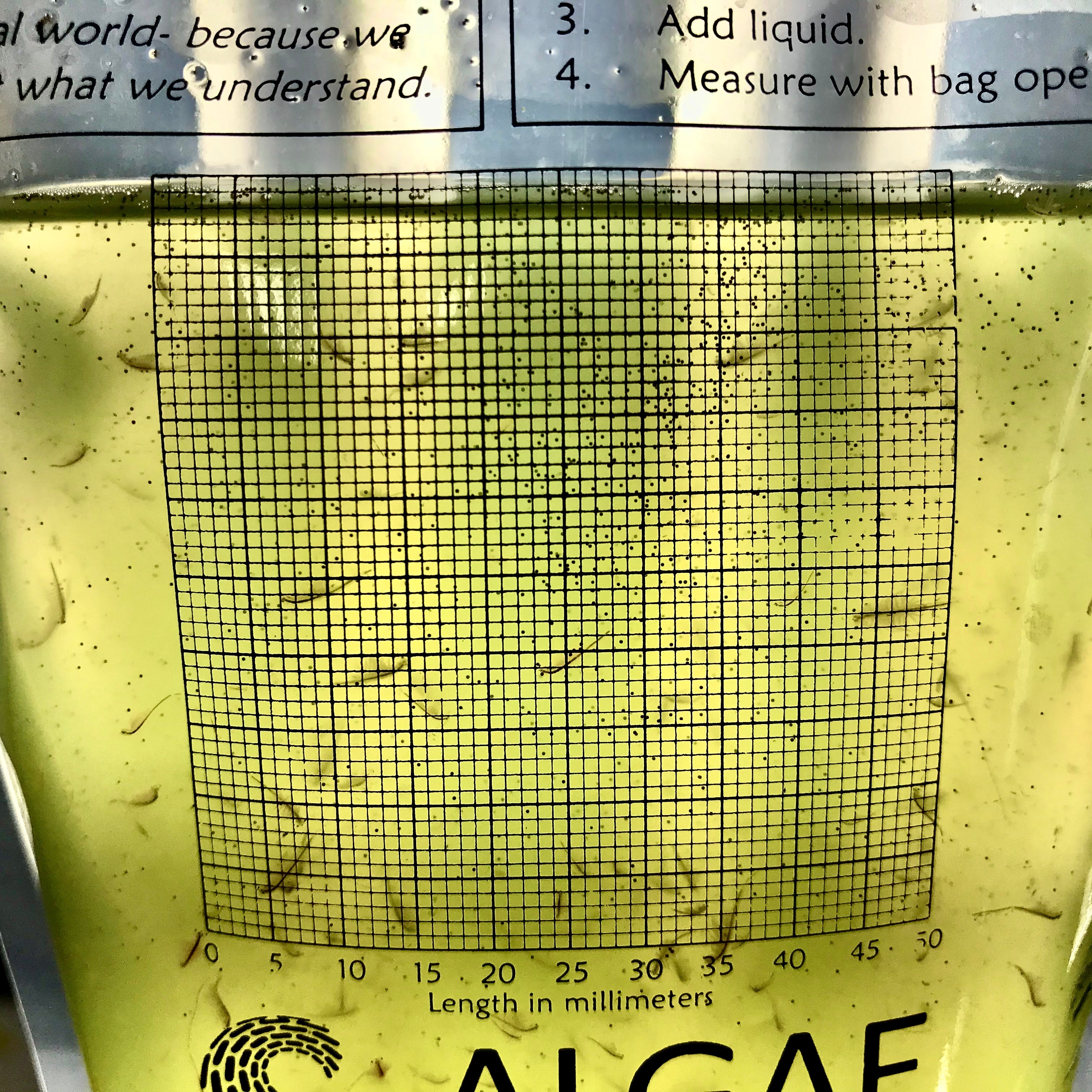
Students add nutrients to living algae cultures and watch the water turn green. They measure growth, compare treatments and connect what they see to fertilizer runoff and dead zones. Other lessons cover populations, energy flow, toxins and climate.

Where it fits
How our labs fit this course
Unit 8 Aquatic and Terrestrial Pollution
Where it fits: Unit 8 is the eutrophication home, and Lab 15 An Investigation of Eutrophication is the official College Board lab.
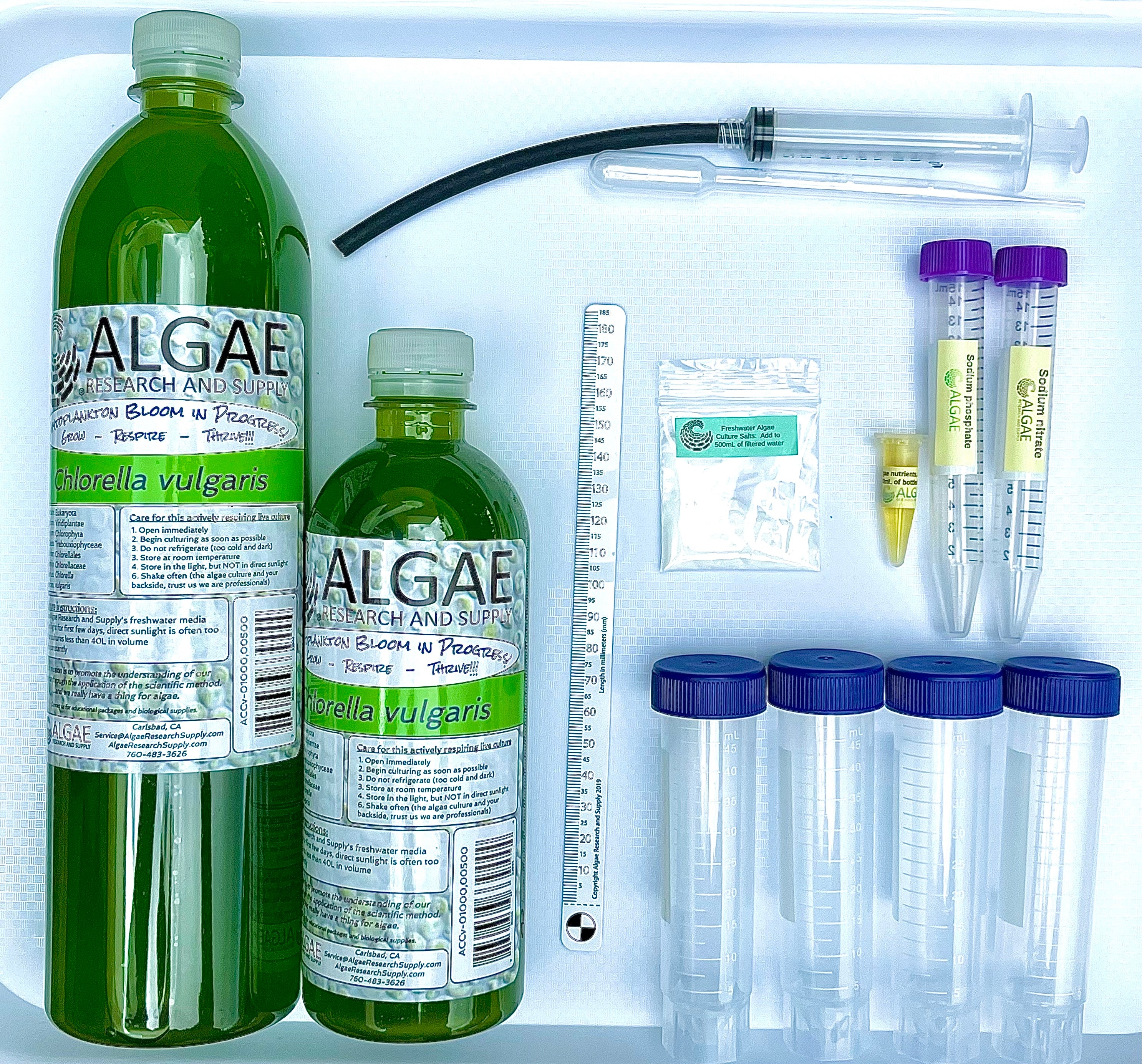
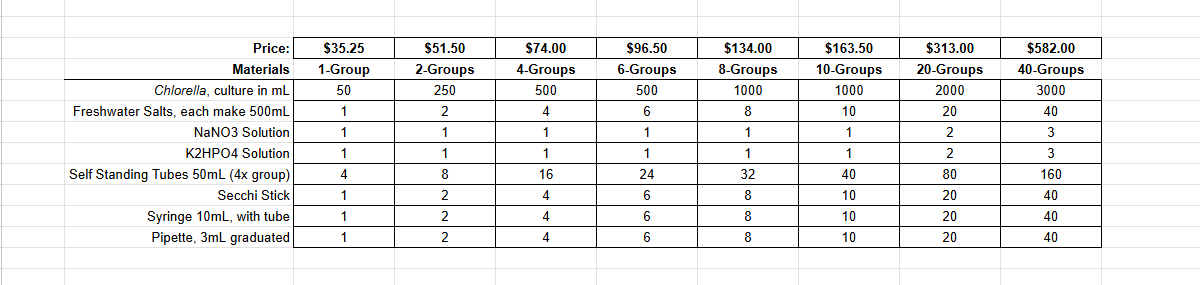
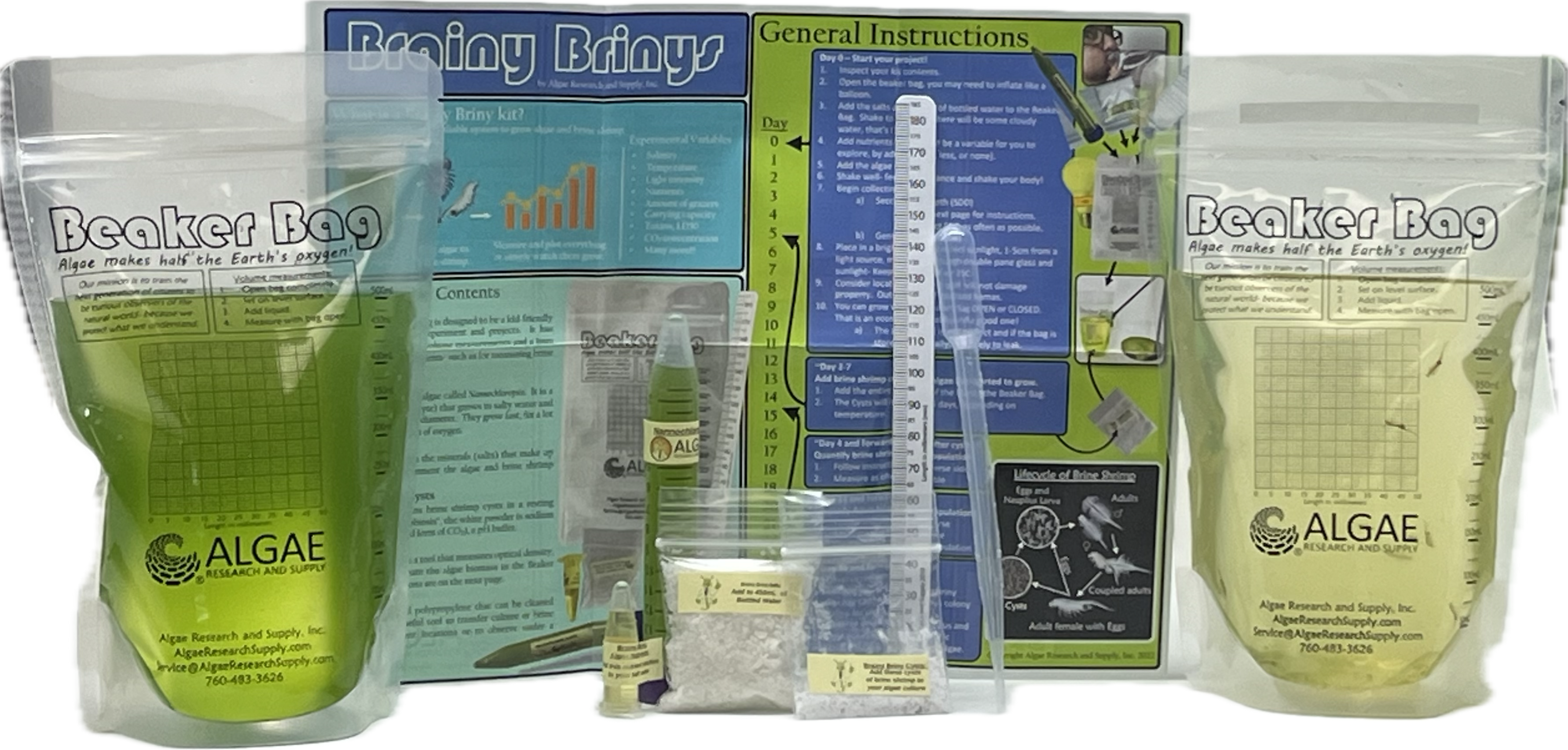
What the kit does: The Eutrophication kit is built for Lab 15. Students dose algae with nutrients and measure the bloom.
Units 1 and 2 The Living World
Where it fits: Unit 1 The Living World: Ecosystems and Unit 2 The Living World: Biodiversity.
What the kit does: Algae and brine shrimp let students measure primary productivity, energy transfer and population growth in a system they can see.
Units 5 and 9 Land, Water and Global Change
Where it fits: Unit 5 Land and Water Use and Unit 9 Global Change.
What the kit does: Students test how nutrients, pollutants and carbon dioxide change algae growth, and link it to farming, water quality and climate.
Lessons for this course
Our Lesson Plans
Carrying Capacity and Population Dynamics
Status: Being written now. Open the subject page for the standard and the kit.
Trophic Energy Transfer and Biomass
Status: Being written now. Open the subject page for the standard and the kit.
Eutrophication and Nutrient Pollution
Status: Being written now. Open the subject page for the standard and the kit.
Nutrient Cycling: Carbon, Nitrogen, Phosphorus and Water
Status: Being written now. Open the subject page for the standard and the kit.
Net Primary Productivity
Status: Being written now. Open the subject page for the standard and the kit.
Toxicology and Dose Response
Status: Being written now. Open the subject page for the standard and the kit.
Microplastics and Bioaccumulation
Status: Being written now. Open the subject page for the standard and the kit.
Algae and Climate Change
Status: Being written now. Open the subject page for the standard and the kit.
Algae as Biofuel and Bioproduct
Status: Being written now. Open the subject page for the standard and the kit.
Kits for these lessons