


High School Earth Science
Algae and Climate Change
Tiny algae, big role in the carbon cycle.
Students watch algae take up carbon dioxide and grow. They connect what they see to the ocean's role in climate.

How the lab meets it
What students do that satisfies the standard
NGSS HS-ESS2-4
Standard: Use a model to describe how variations in the flow of energy into and out of Earth's systems result in changes in climate.
What the kit does: Students use the culture as a model for how living things change the carbon in Earth systems.
NGSS HS-ESS3-5
Standard: Analyze geoscience data and the results from global climate models to make an evidence-based forecast of the current rate of global or regional climate change and associated future impacts to Earth systems.
What the kit does: Students connect their carbon uptake data to published climate data.
NGSS HS-ESS3-6
Standard: Use a computational representation to illustrate the relationships among Earth systems and how those relationships are being modified due to human activity.
What the kit does: Students model how human carbon output and algae uptake relate.
APES
Where it fits: Unit 9, Global Change.
What the kit does: Gives students hands-on carbon uptake data.
CA Living Earth
Where it fits: Instructional Segment 6, Ecosystem Stability and the Response to Climate Change.
What the kit does: A sealed algae and shrimp system shows stability and what shifts it.
Free downloads
Our Lesson Plans
Algae and Climate Change
Status: Being written now. The download buttons appear on this card when it is finished.
Kits for these lessons
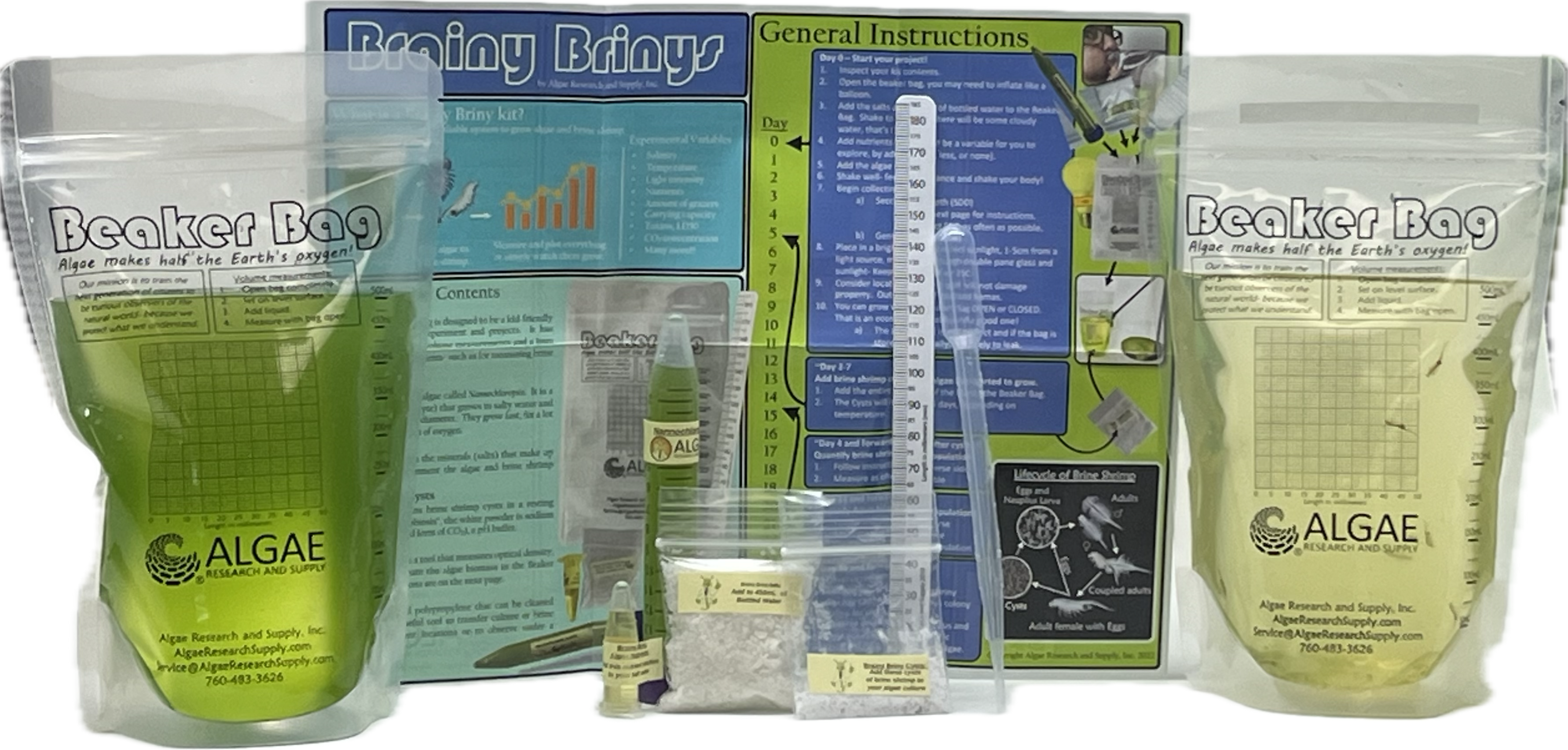
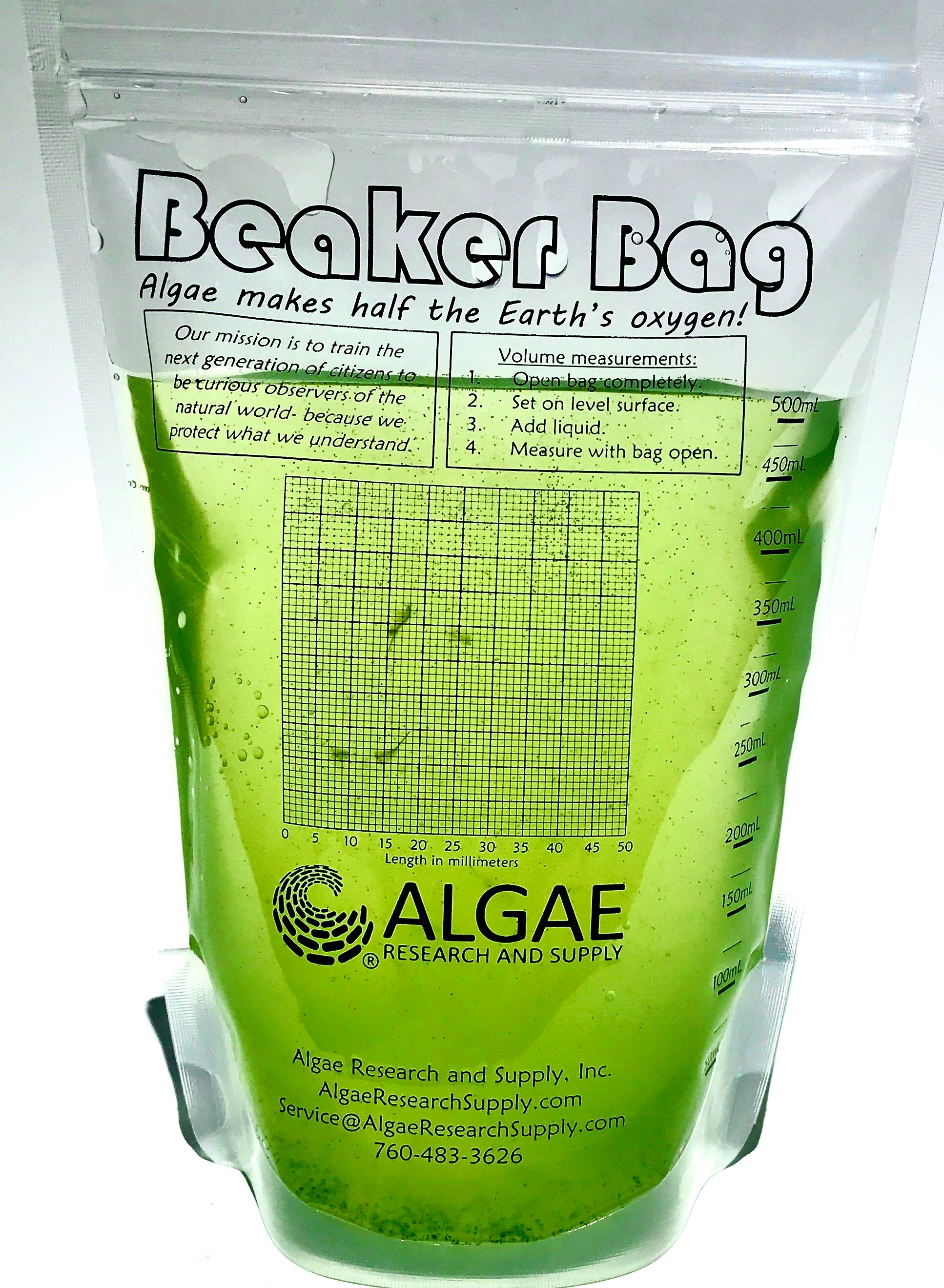
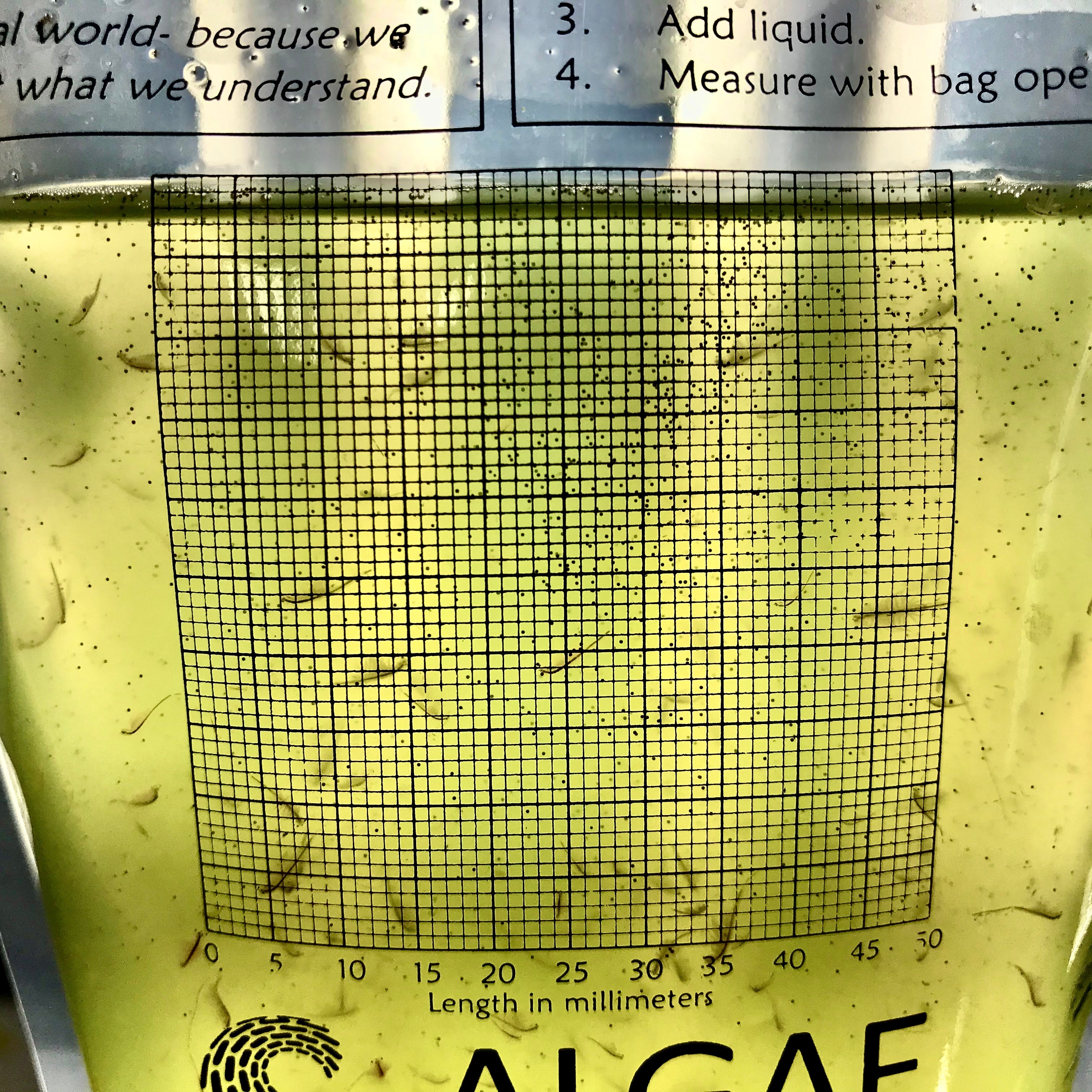

Algae Beads: Make Your Own FULL KIT