
High School Earth Science
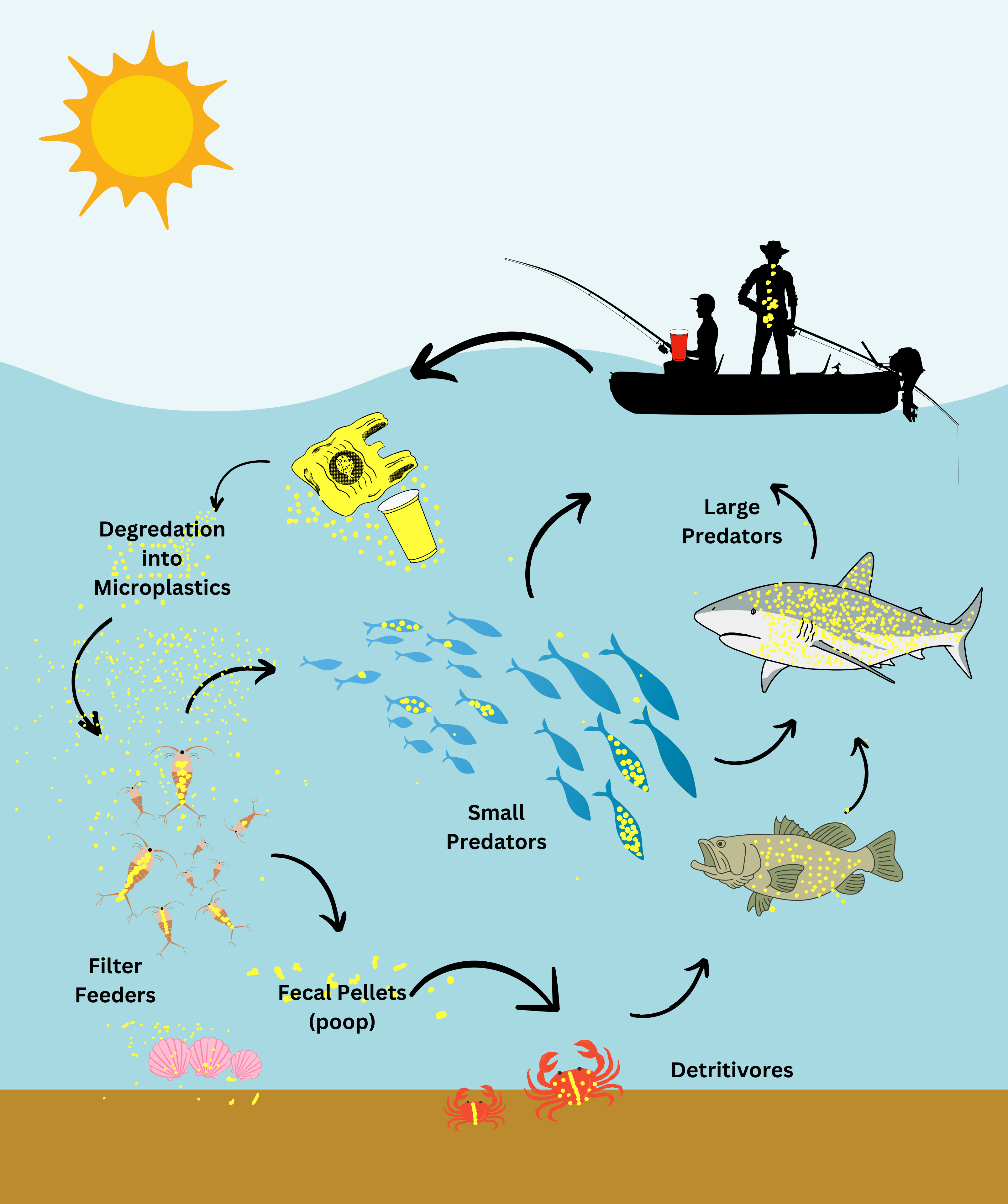
Microplastics and Bioaccumulation
Feed brine shrimp fake food and see where it goes.
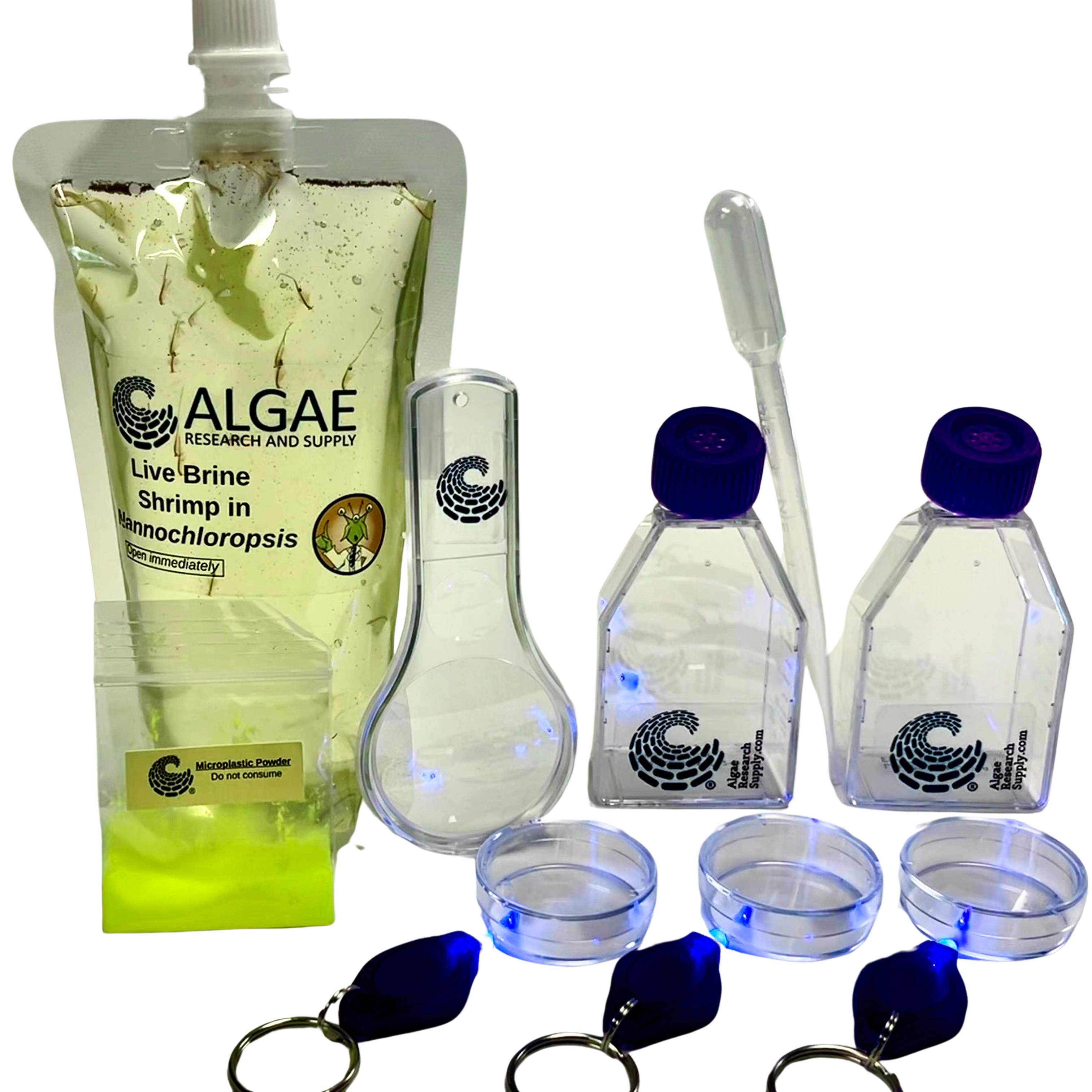
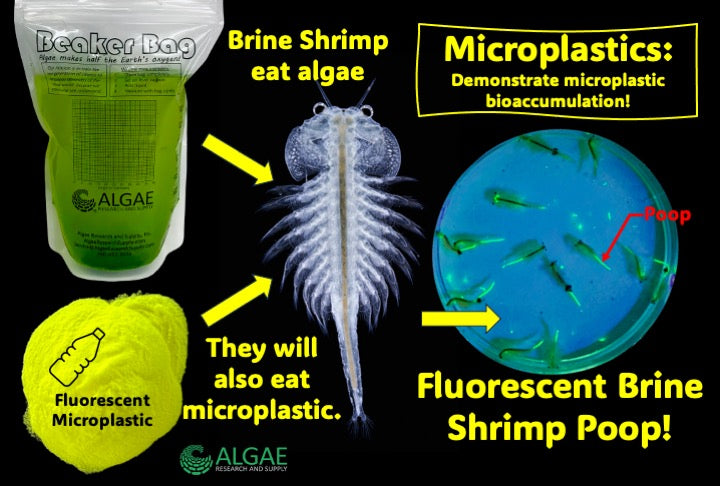
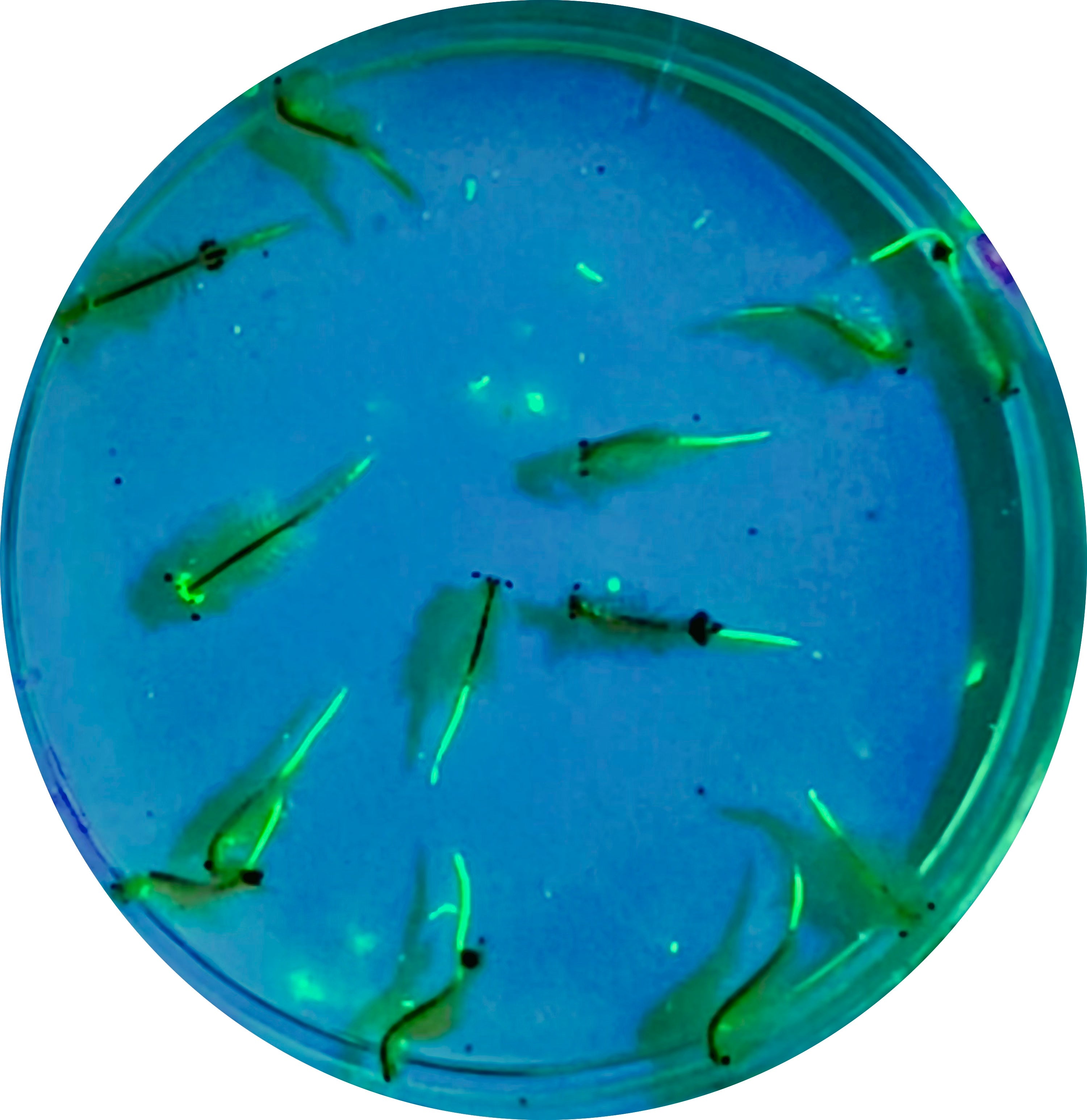
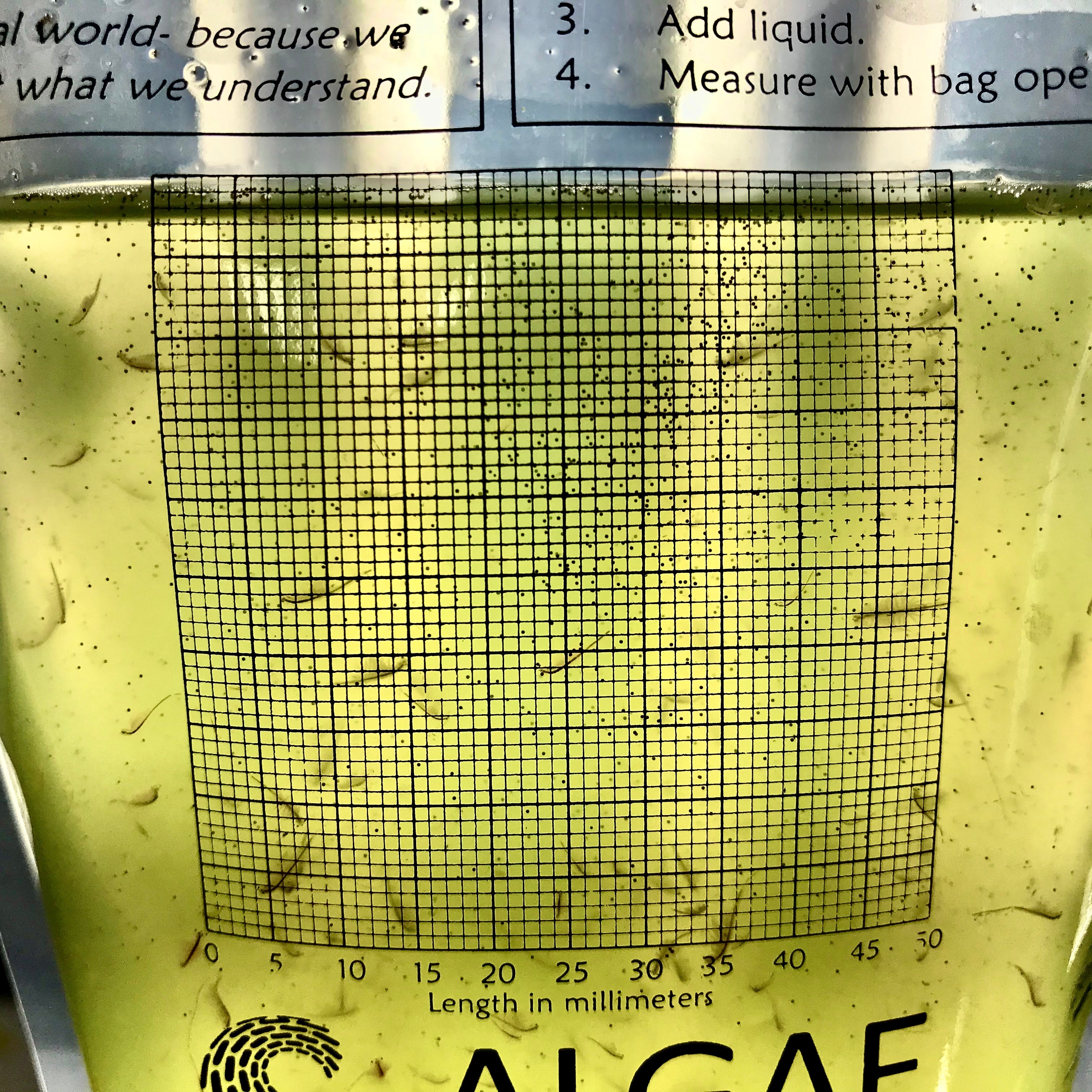
Students feed brine shrimp fluorescent particles that stand in for microplastics. Under a light, they see the particles build up in the animals.

How the lab meets it
What students do that satisfies the standard
NGSS HS-LS2-6
Standard: Evaluate the claims, evidence, and reasoning that the complex interactions in ecosystems maintain relatively consistent numbers and types of organisms in stable conditions, but changing conditions may result in a new ecosystem.
What the kit does: Students test how a new pollutant changes a stable brine shrimp population.
NGSS HS-ESS3-4
Standard: Evaluate or refine a technological solution that reduces impacts of human activities on natural systems.
What the kit does: Students use their results to evaluate ways to cut plastic reaching the ocean.
Free downloads
Our Lesson Plans
Microplastics and Bioaccumulation
Status: Being written now. The download buttons appear on this card when it is finished.
Microplastics and Brine Shrimp
Status: Being written now. The download buttons appear on this card when it is finished.
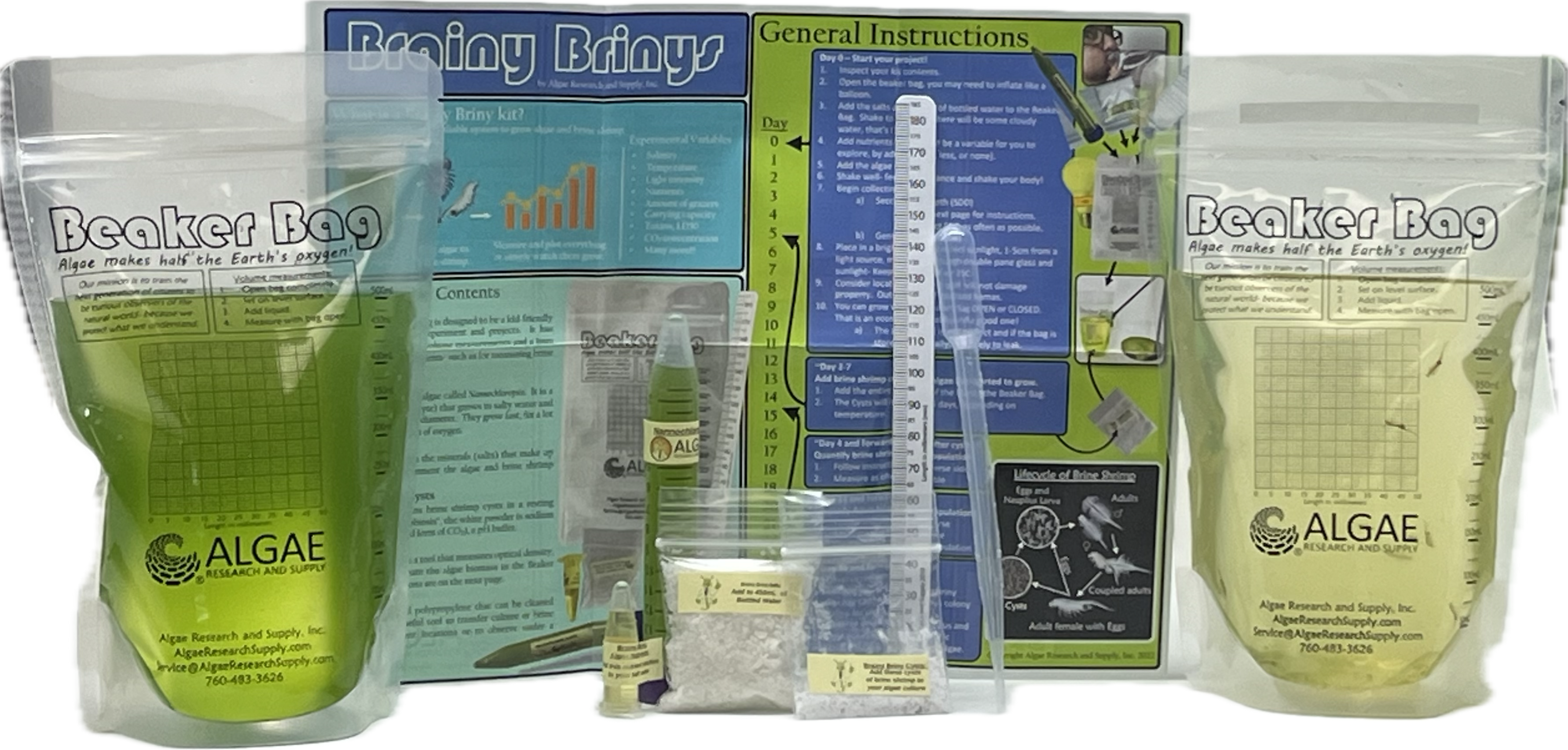
Kits for these lessons