
Middle School Earth and Space Science
Monitoring Human Impact
Brine shrimp are a real water quality test animal.
Labs that check water safety use brine shrimp because they are cheap, fast and sensitive. Students design their own version: pick a contaminant, set up a dilution series and count what survives.

How the lab meets it
What students do that satisfies the standard
NGSS MS-ESS3-3
Standard: Apply scientific principles to design a method for monitoring and minimizing a human impact on the environment.
What the kit does: Students design the monitoring method themselves. Honest fit: strong on monitoring, lighter on minimizing, which the class reaches in discussion.
Texas 7.11.B
Standard: Describe human dependence and influence on ocean systems and explain how human activities impact these systems.
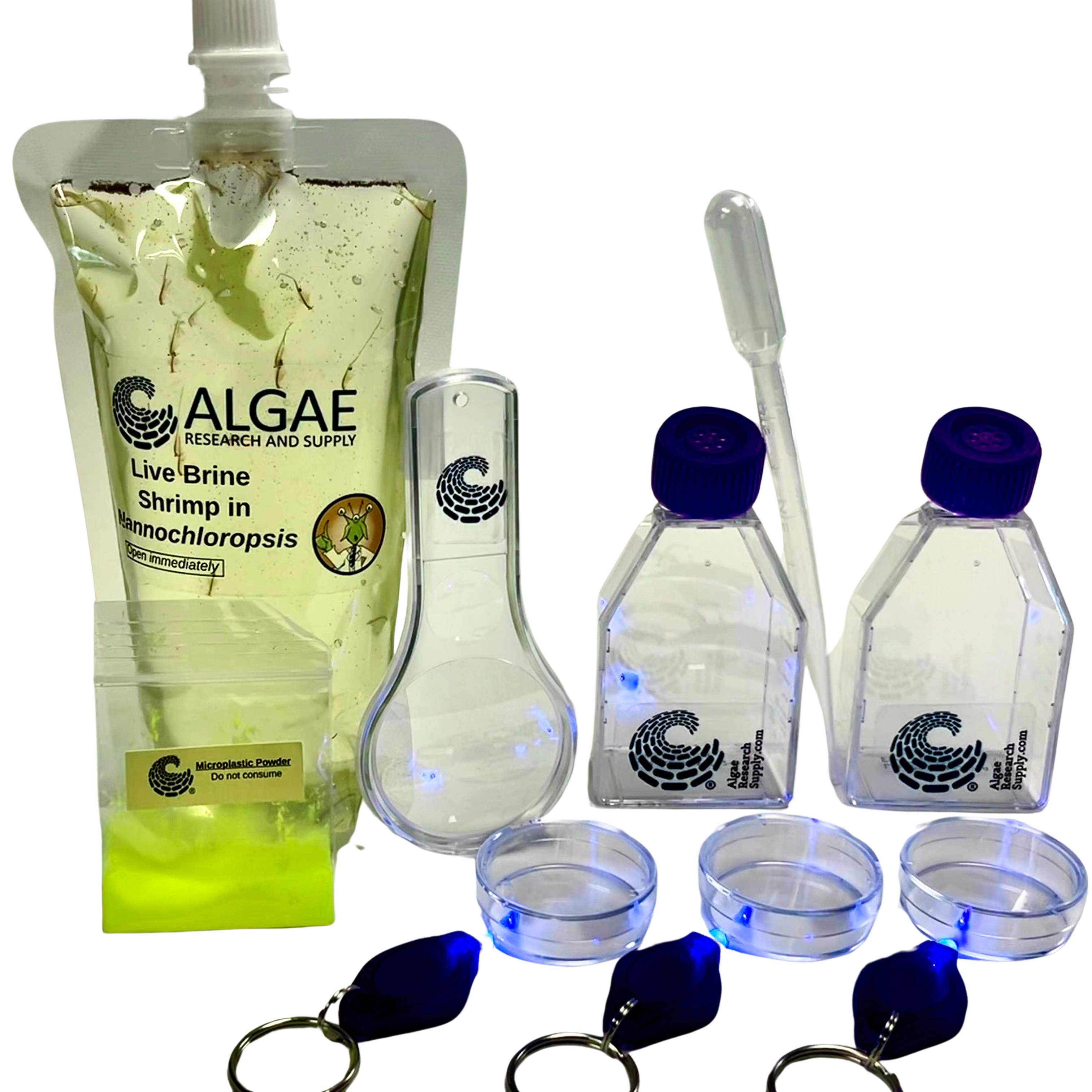
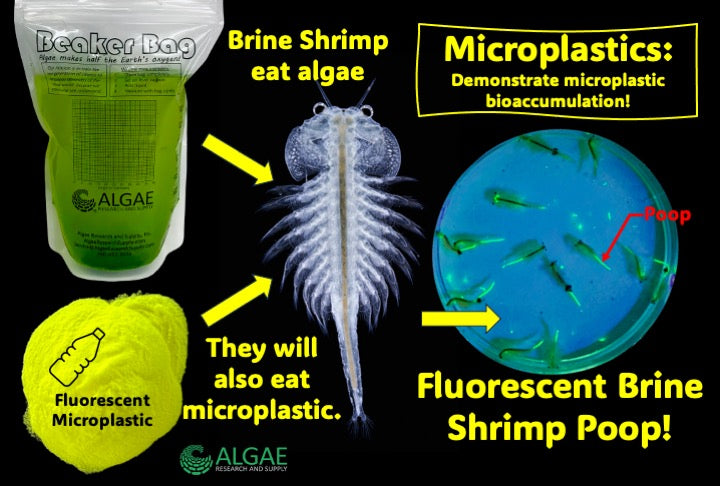
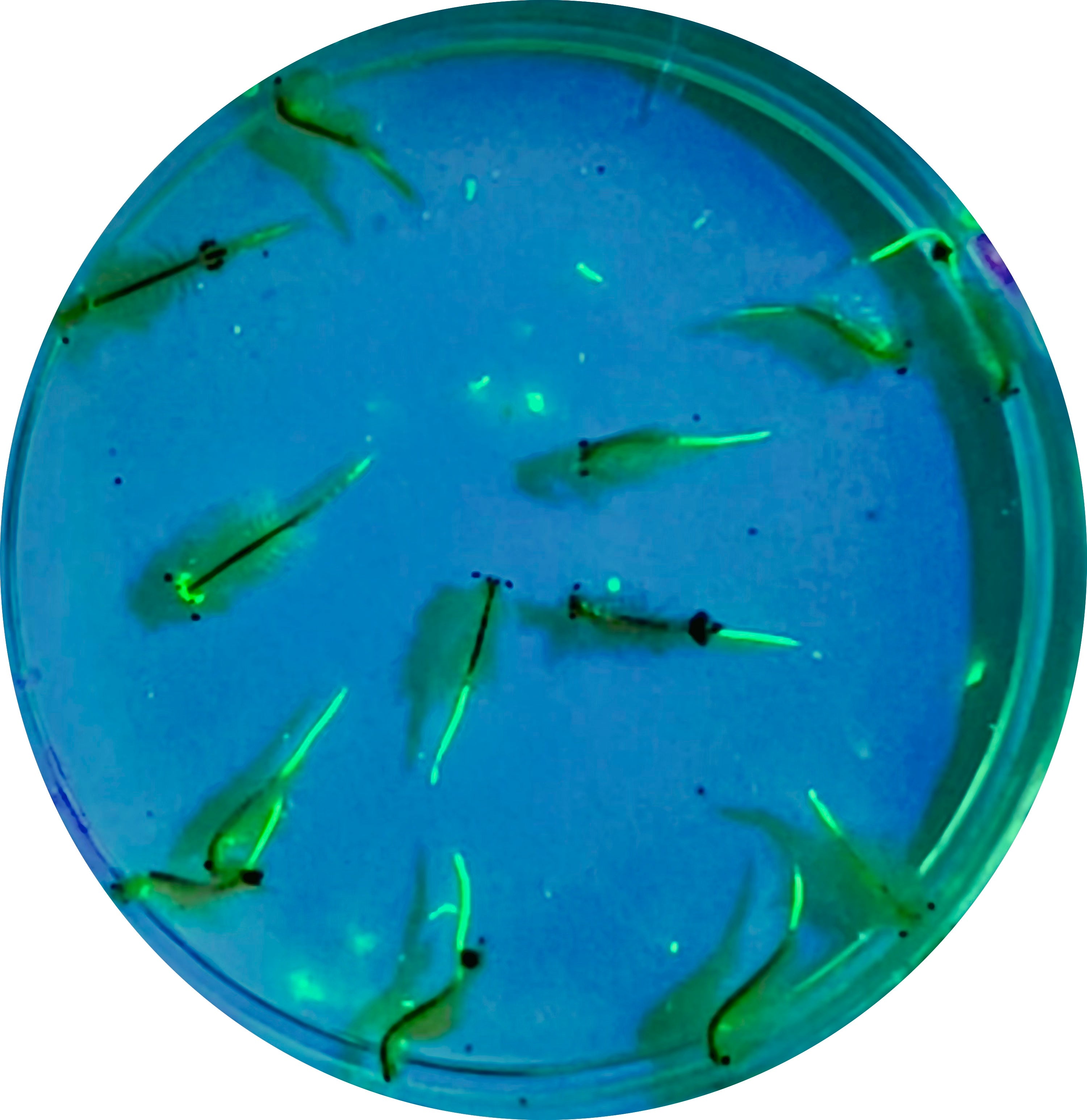
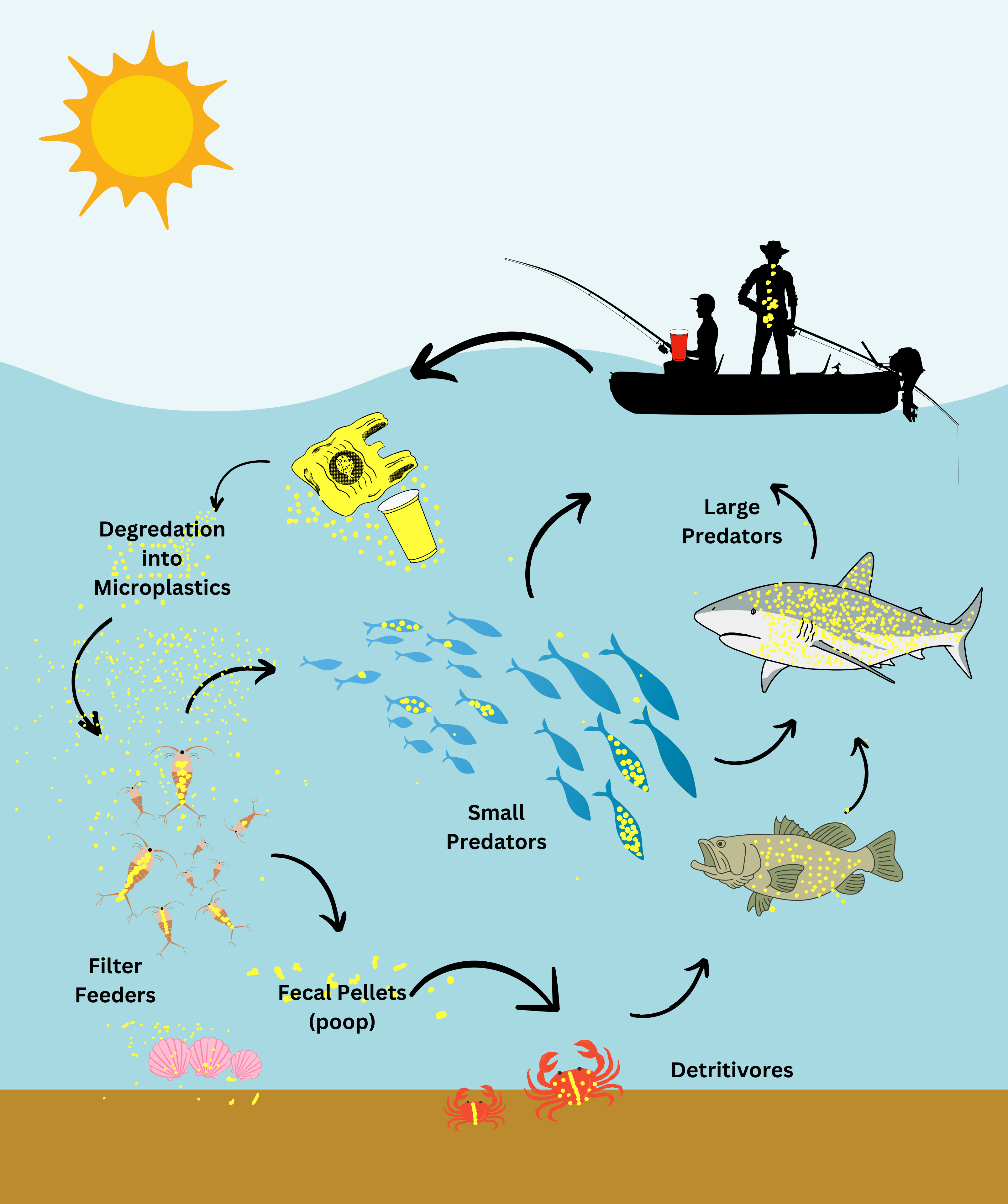
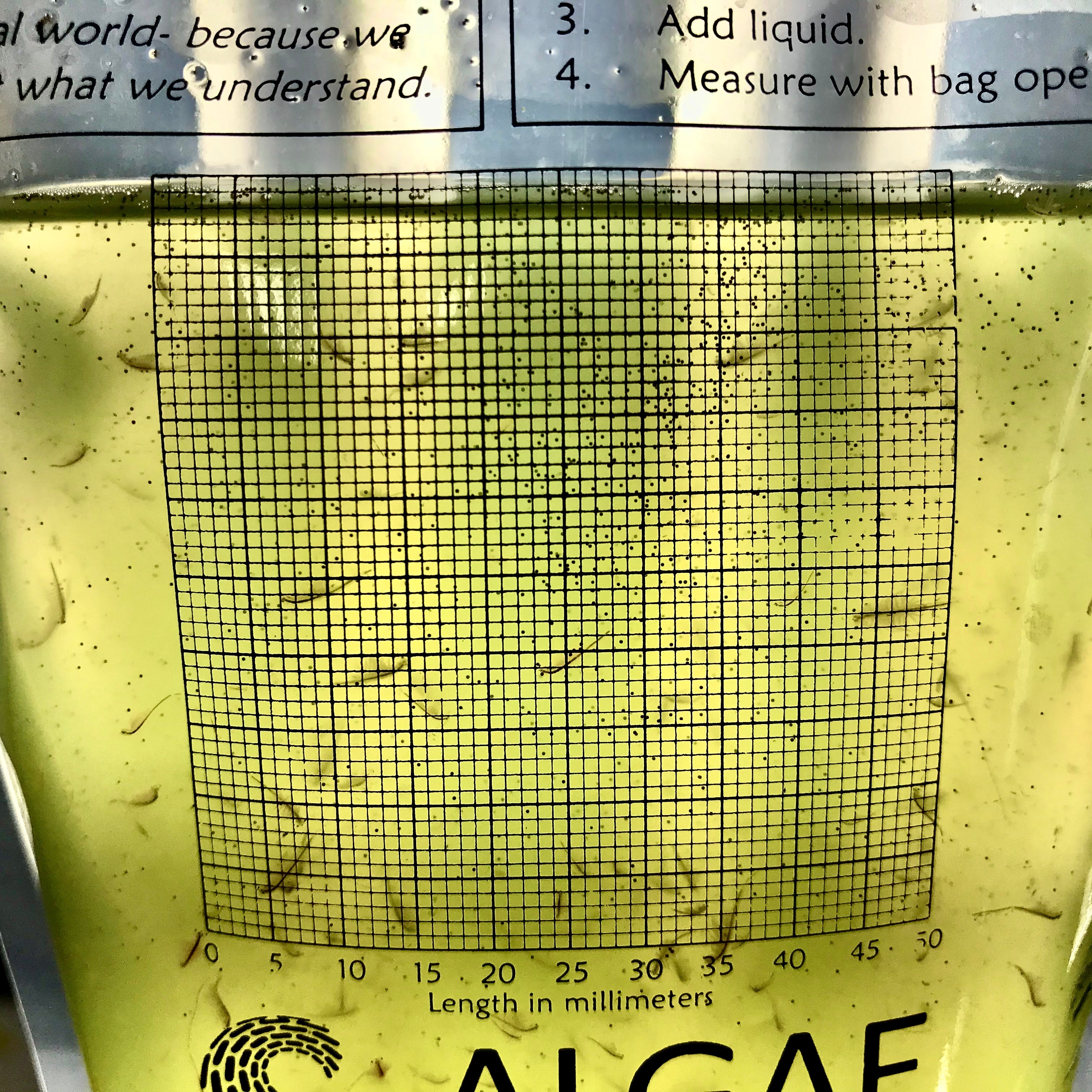
What the kit does: Brine shrimp are saltwater animals, and students expose them to things people put in the water, such as microplastics or a contaminant in a dilution series. What survives, and what ends up inside the animals, shows directly how a human activity affects life in salt water.
Florida SC.7.E.6.6
Standard: Identify the impact that humans have had on Earth, such as deforestation, urbanization, desertification, erosion, air and water quality, changing the flow of water.
What the kit does: Students test how a contaminant changes water quality for a living animal and measure the effect themselves. Honest fit: partial. The kit covers water quality only, not the land and air impacts on the list.
Free downloads
Our Lesson Plans
Toxicity Testing Using Brine Shrimp
Status: Being written now. The download buttons appear on this card when it is finished.
Microplastics and Brine Shrimp
Status: Being written now. The download buttons appear on this card when it is finished.
Nitrate Removal Over Time
Status: Being written now. The download buttons appear on this card when it is finished.
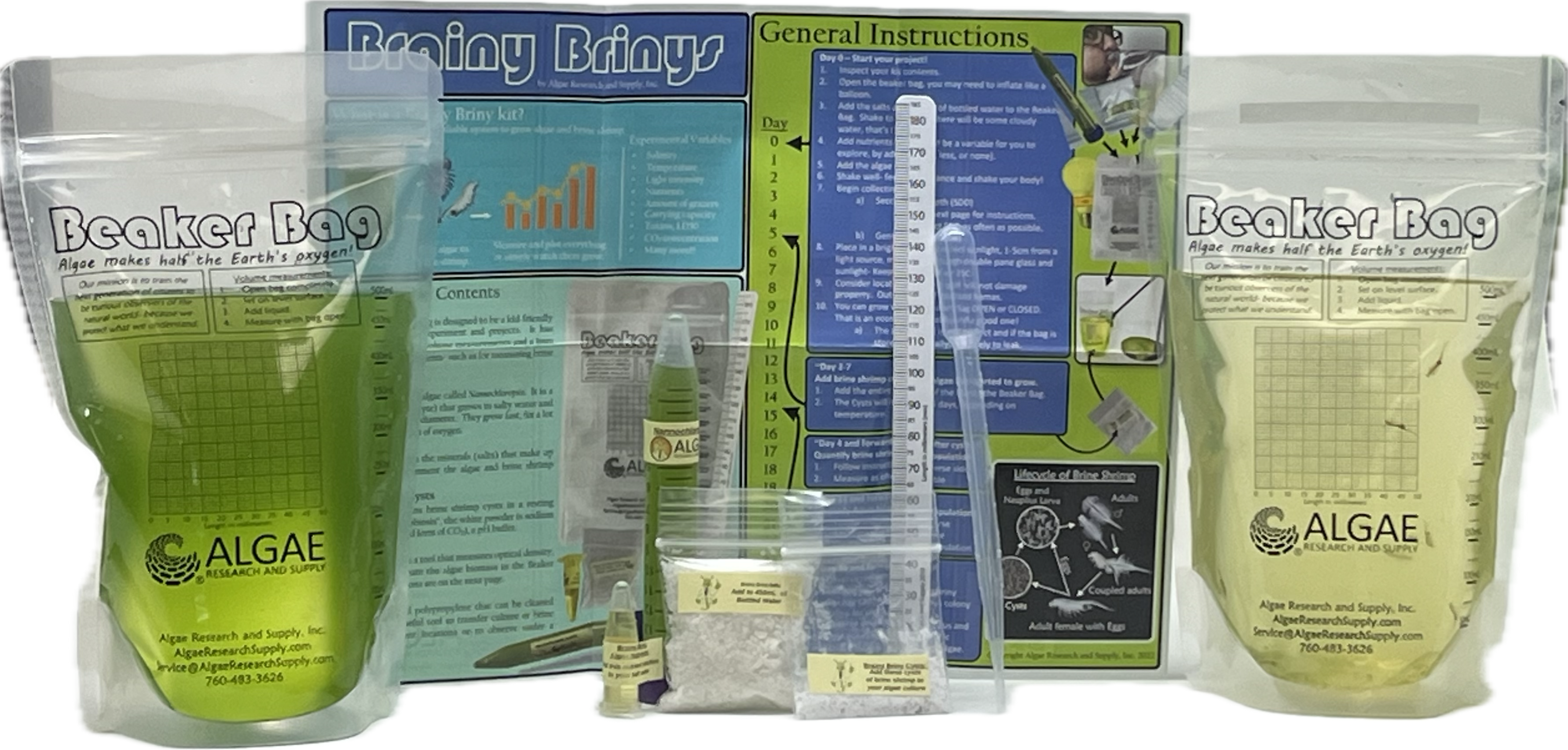
Kits for these lessons